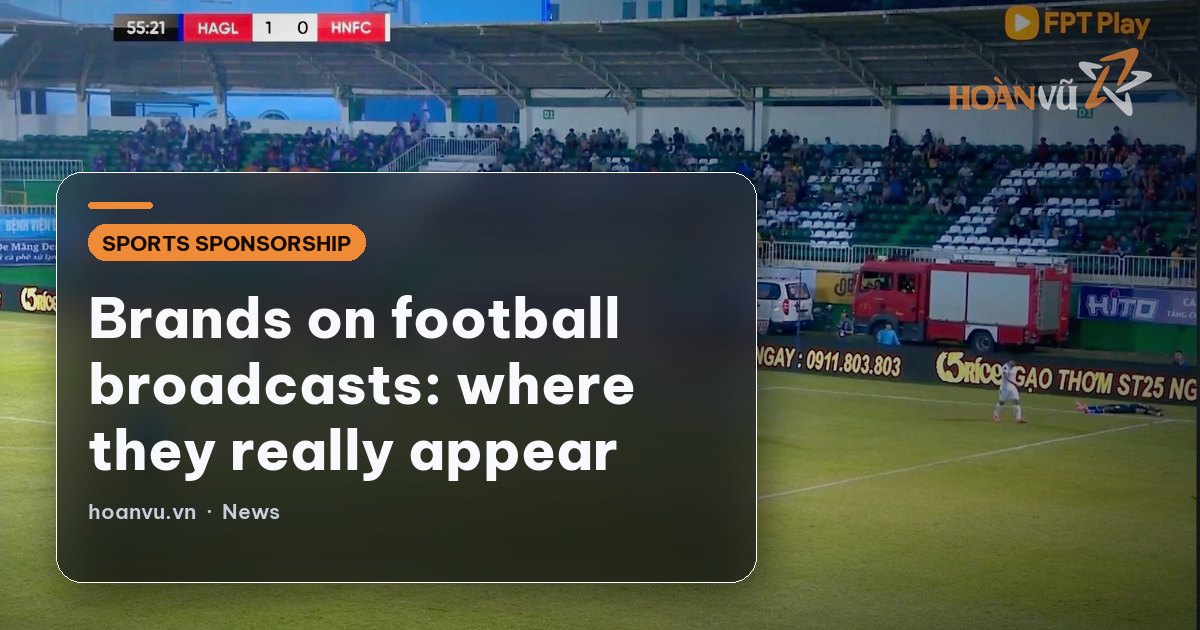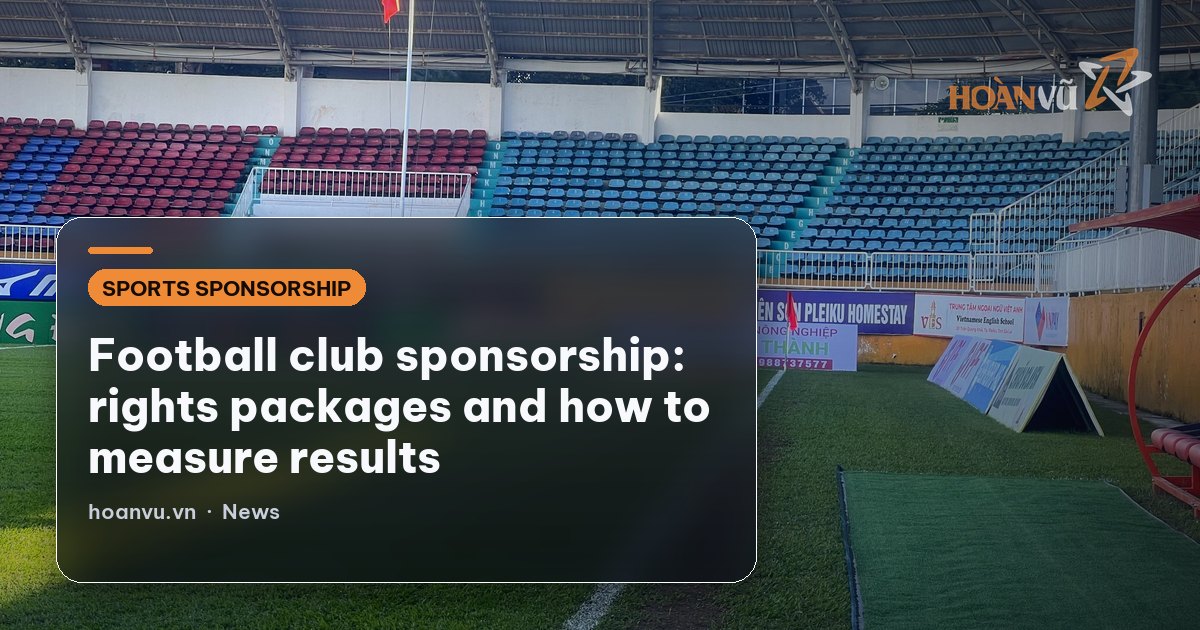
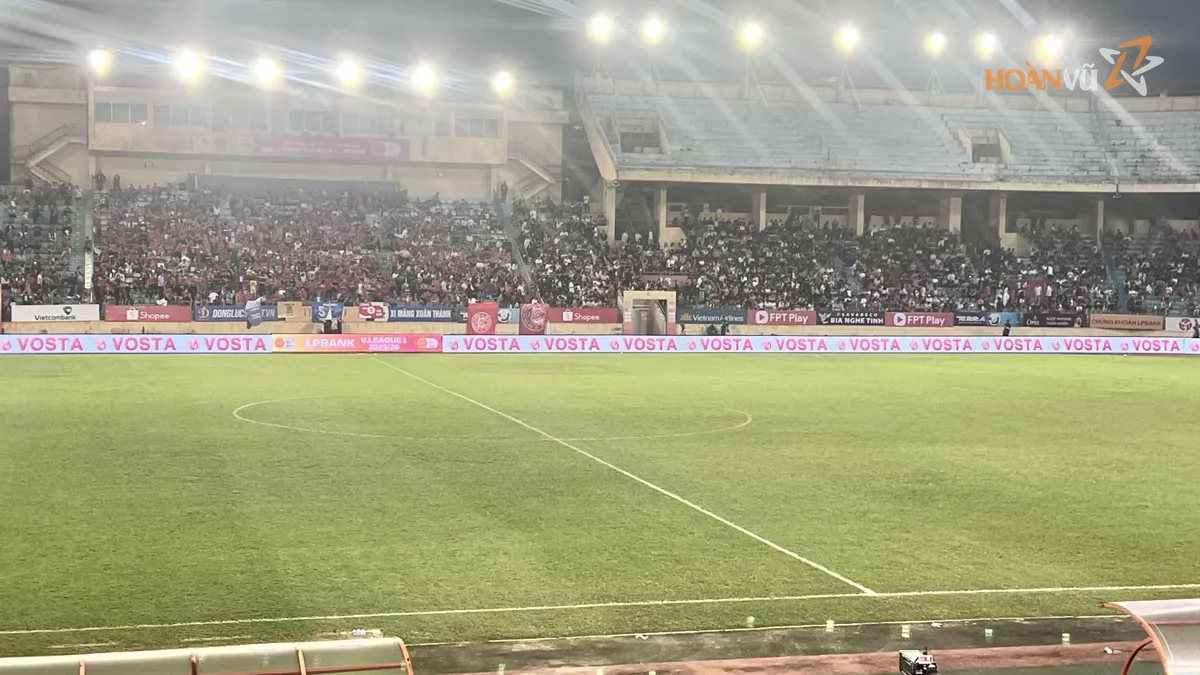
Many brands sign a club sponsorship deal and then leave it alone. The logo goes on the shirt, the name goes on the perimeter LED, one more slot appears on the press backdrop. At the end of the season the marketing team sits down and cannot answer a simple question: how much real contact with consumers did that money buy. The problem is rarely the rights package. It sits in stadium sponsorship activation — turning signed rights into concrete work on each match day.
This article describes how that part is done, from the point of view of the team that runs the equipment at the ground.
Why a signed package still produces nothing
Sponsorship contracts usually list rights as a catalogue: so many minutes of perimeter LED per match, so many backdrop positions, so many tickets. That catalogue is necessary. It says nothing about who produces the content, who approves it, who installs it, and who photographs it for sign-off.
The gap shows up as soon as the season starts. LED content arrives late, in the wrong aspect ratio, unreadable on broadcast. The backdrop position exists but nobody is sent to use it. Tickets go out attached to no activity at all.
Nielsen Sports measurement indicates that if a brand measures only its television exposure, it captures roughly 21% of the value of the partnership. The rest sits in contact at the ground, social media, club content and touchpoints outside the broadcast frame. In other words, most of the value sits exactly where many contracts leave a blank.
Four contact layers in one match day
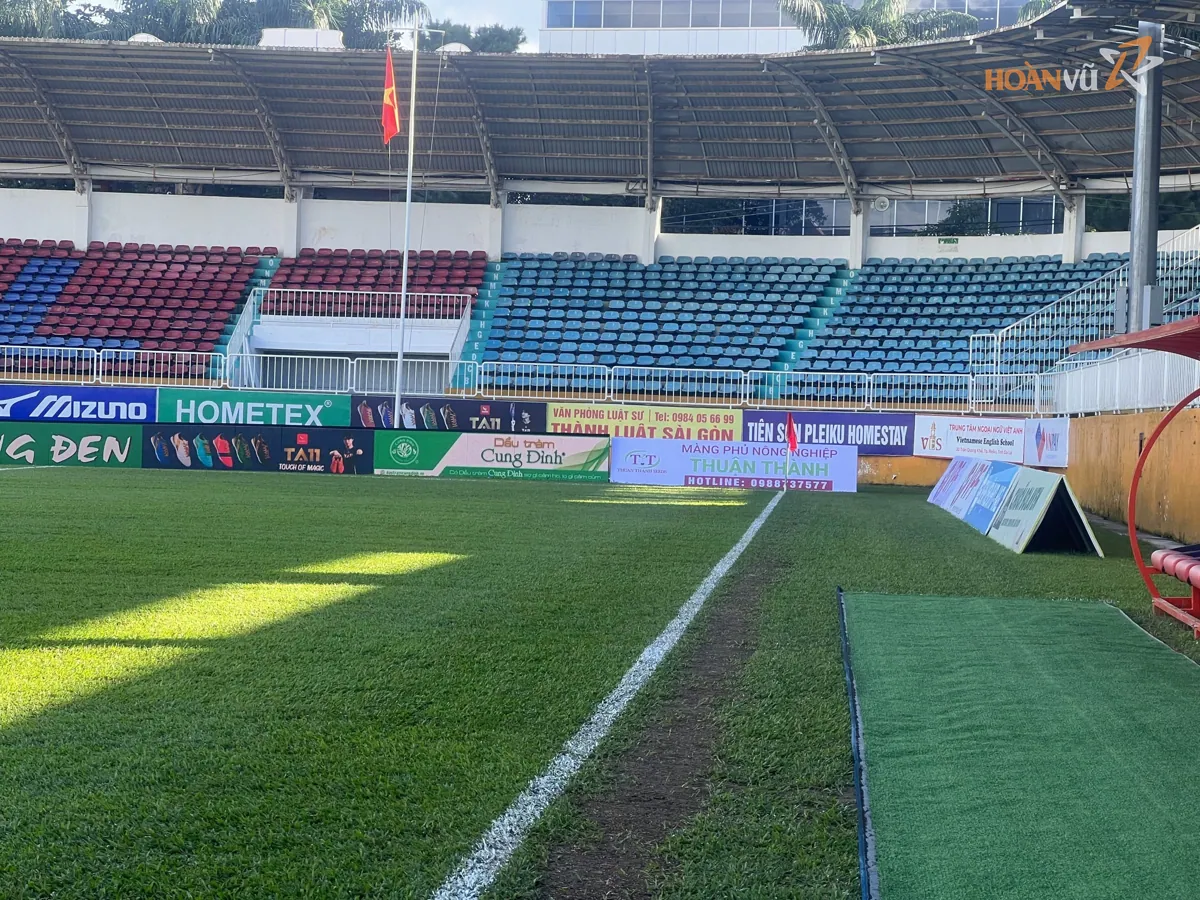
A match day is not one block of time. It holds at least four contact layers, each with a different audience and a different way of being recorded. Splitting them out makes the division of work clear from the start of the season.
| Contact layer | When it happens | Main audience | How it is recorded |
|---|---|---|---|
| Outside the ground, pre-match | 2–3 hours before kick-off | People arriving, passers-by | On-site photos, interaction counts |
| Inside the ground | From gates open to full time | Crowd in the stands | Stand photos, timed LED photos |
| On broadcast | The 90 minutes | Viewers at home | Playout log, screen captures |
| Digital, post-match | Full time to 48 hours after | Club followers | Post metrics, post-match video stills |
The first and the fourth layers are the ones most often forgotten. They cost far less than LED minutes, but they need planning in advance and a crew on site at the right hour.
A matchday activation timeline
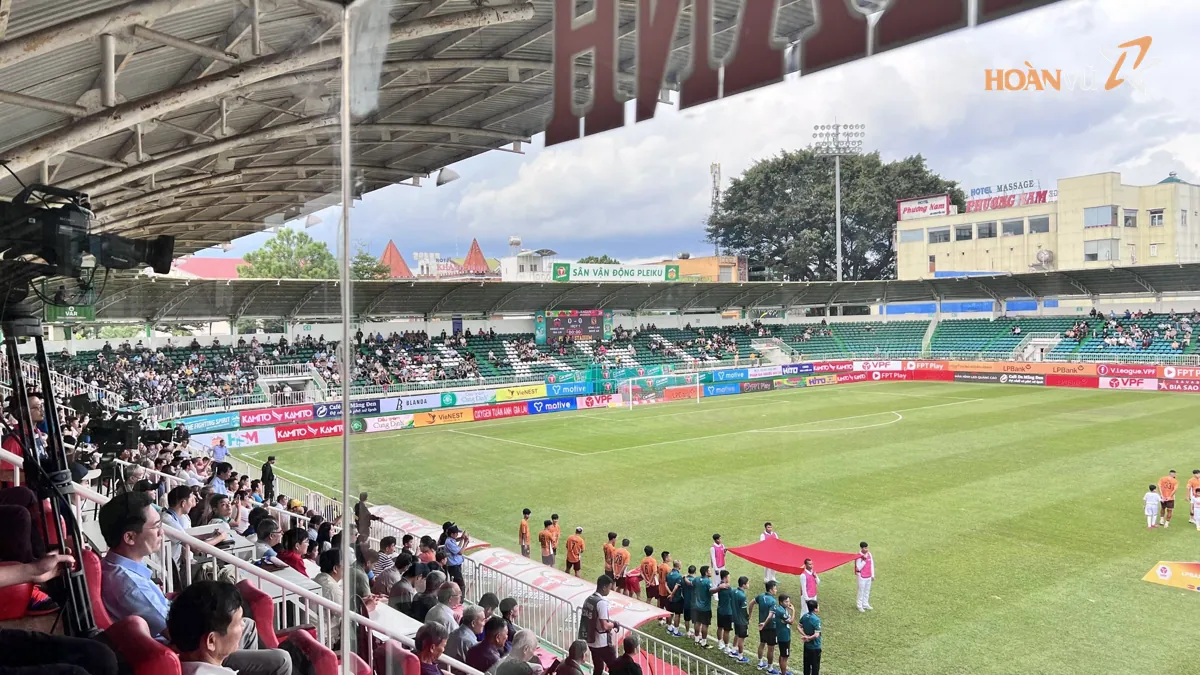
The most effective approach is a timeline written once, reused all season, with only the content changing. The 2026–2027 V.League season has 14 clubs playing 26 rounds, 182 matches in total, opening on 4 September 2026 and closing on 22 May 2027. For a brand sponsoring one club that means 13 home matches — 13 repetitions of the same timeline.
- T-7 days: lock LED content and on-site items for the coming match and send them for approval. Content must match cabinet aspect ratio, with type large enough to read on broadcast.
- T-2 days: confirm the build schedule, crew numbers and permitted positions for items with the stadium organisers.
- T-3 hours: the technical crew checks every LED cabinet, runs a colour test pattern and measures brightness against actual light conditions.
- T-2 hours: gates open and outside activity begins. This is the hour for documentation photos, not for still building.
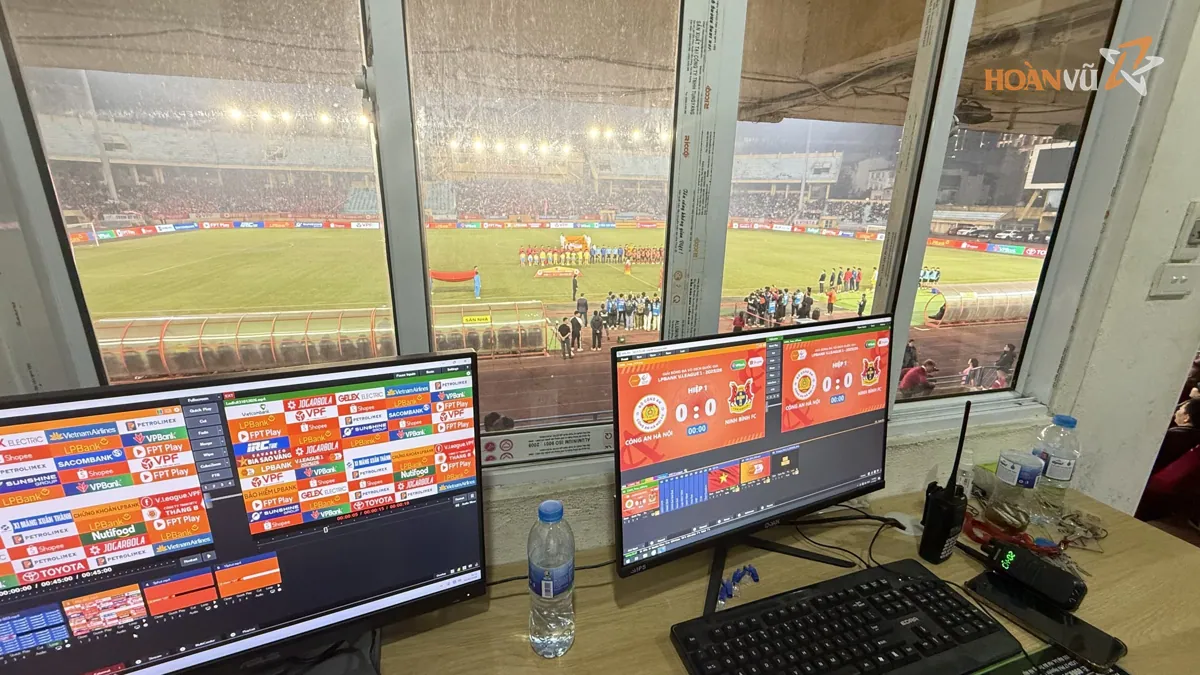
- During the match: run content against the agreed time-share table, with someone seated at the control desk watching it.
- T+48 hours: send the sign-off report with photos and video to the brand.
That last step matters more than it looks. Without a report and images, every end-of-season argument runs on memory.
Technical and legal limits worth knowing early
Activation at a stadium is not a free canvas. Three groups of limits are worth understanding during negotiation.
Limits inside the field of play
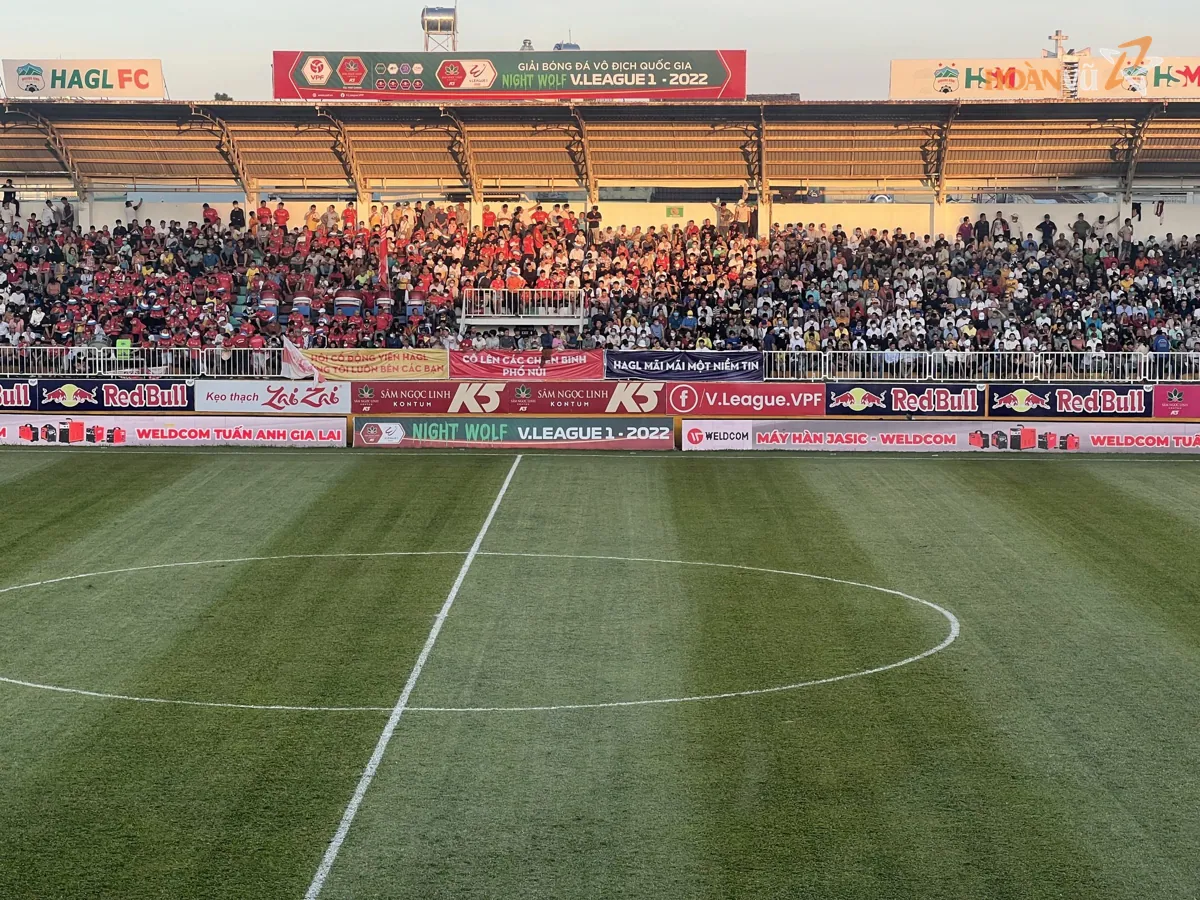
The AFC Stadium Regulations, Edition 2026, require the field of play surface to extend at least 1 metre beyond the touchlines and 2 metres beyond the goal lines before it changes to another surface. Perimeter LED and any items must sit outside that margin, and must not block the sight lines of officials or cameras. Any hanging or temporary board scheme needs confirmation from the stadium organisers.
Limits on broadcast readability
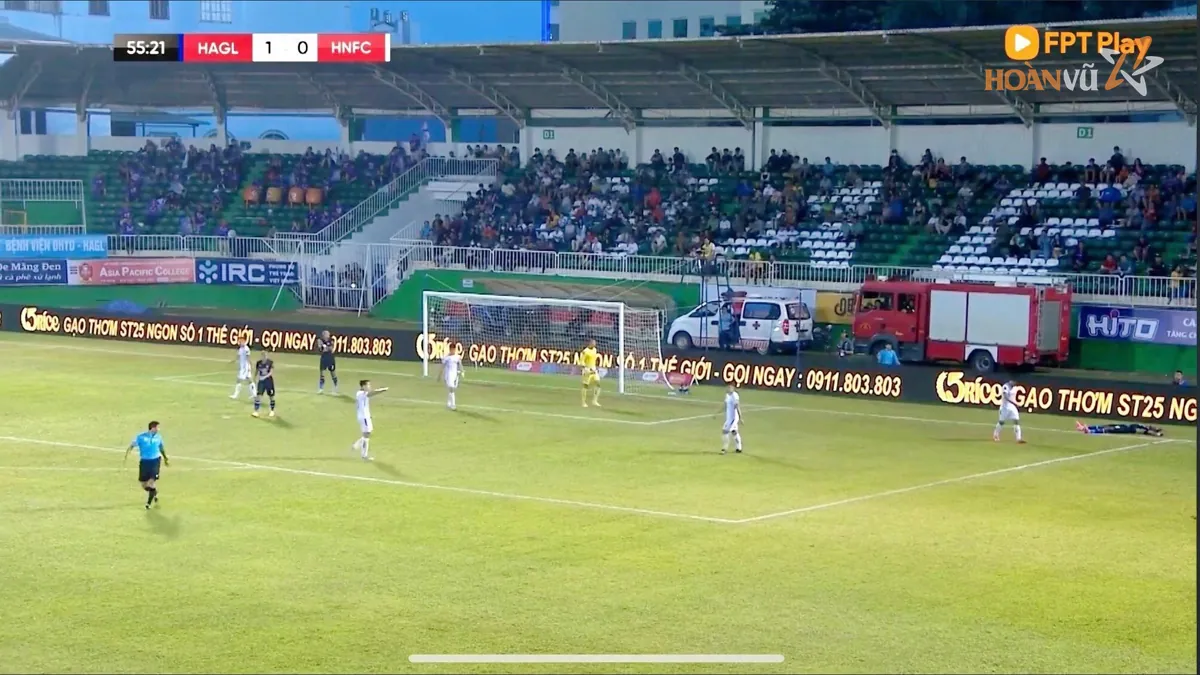
Perimeter LED content is swept by cameras panning at speed. Small type, busy backgrounds and low contrast blur. Operating experience shows that one idea, a flat background and heavy type is the only combination that holds up on air. That is why content templates should be agreed at the start of the season rather than sent match by match.
Legal limits
The law amending and supplementing the Law on Advertising, No. 75/2025/QH15, took effect on 1 January 2026, tightening rules on comparative advertising and on the obligations of parties conveying advertising products. Activation content, in particular anything featuring real people or comparing products, should be reviewed against the new law before it runs.
What Hoan Vu handles in this chain
Hoan Vu has worked in advertising since 2001 and became a joint stock company in 2010. The company currently runs perimeter LED at four grounds — Hang Day, Lach Tray, Binh Phuoc and Pleiku — working with six clubs across roughly 84 matches a season. Every match has a technical crew on site, and after each match a sign-off report with photos and video follows, which is exactly the documentation a brand needs to check its rights.
Beyond the football side, the company installs indoor and outdoor LED screens, billboards and signage, and produces events, live shows and livestreams with a green screen studio. Those capabilities are often reused in a sponsor's fringe activity. Details of the stadium side are at stadium LED solutions. For background on how rights packages are structured, see football club sponsorship: rights packages and how to measure results.
Frequently asked questions
How is stadium activation different from buying LED minutes?
Buying LED minutes is a single right. Activation is the chain of work that uses every signed right within the same match day, from pre-match to post-match. With the same contract, activation decides most of the result.
What does a sponsor need to prepare before each home match?
At minimum: LED content at the correct cabinet ratio, items for the area outside the ground, and one person on site with authority to decide. Sending content seven days ahead gives the technical crew time to test it.
How do you prove the rights were actually delivered?
Ask for a sign-off report after every match, with timed LED photos, stand photos and photos of the item areas. Match-by-match documentation adds up to the basis for an end-of-season review, instead of an argument from memory.
Conclusion
A sponsorship package is only a catalogue of rights. Real value appears when each right is tied to a specific hour, with someone doing the work and documentation to prove it. Four contact layers, one timeline repeated all season, and a report after every match are enough to start.
To review an activation plan for the coming season, leave your details or call the hotline 0964 73 74 73.
Hoan Vu connects brands with clubs, builds packages and reports match by match.