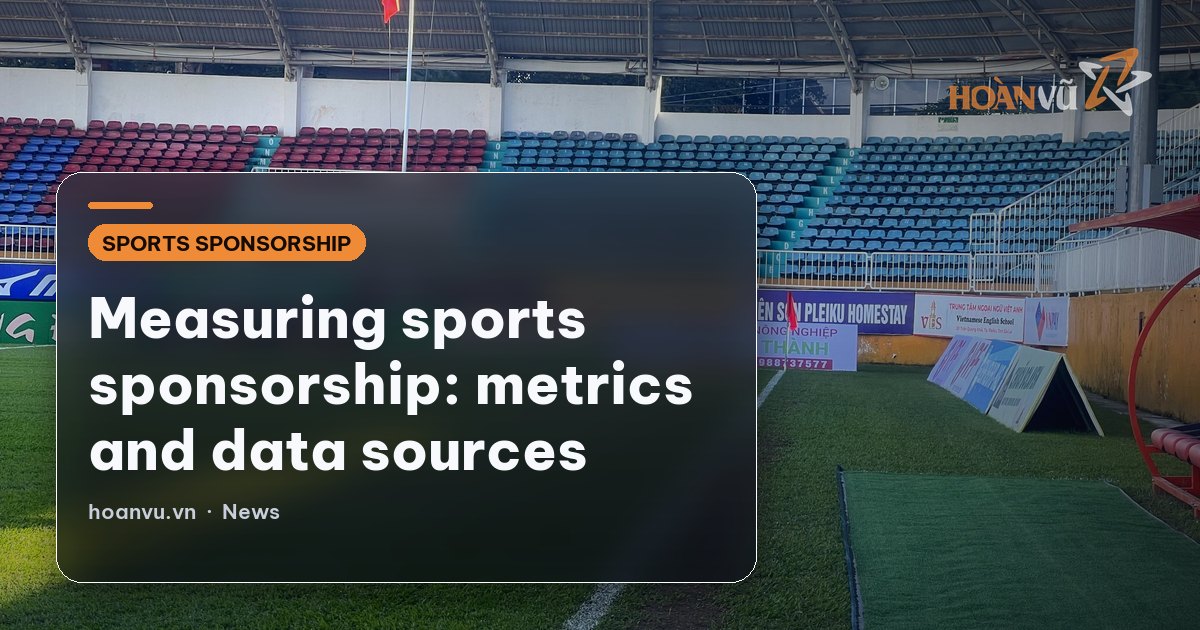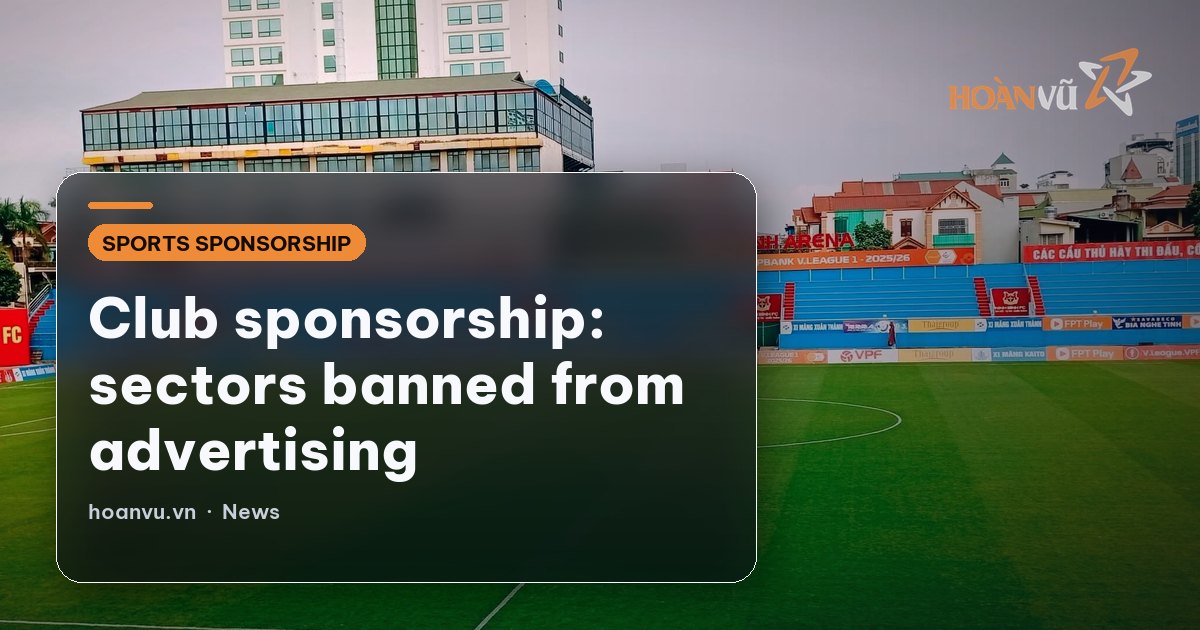
Many brands sign a club sponsorship, receive a stack of match tickets and leave them there. The tickets go to staff, and whoever is free shows up. By the end of the season, the sponsor ticket rights have produced nothing anyone can measure. Unlike a perimeter LED strip that runs on schedule, rights in the stands only create value when someone plans them.
This article covers how to read and use that part of the deal: how many seats a stadium has, how many people actually come, which stand to ask for, how to pair tickets with presence around the pitch and which numbers to track.
Why sponsor ticket rights go unused
Three common reasons. First, the contract states a quantity but not a stand, so the brand ends up with seats it cannot invite clients to. Second, the tickets land with the admin team instead of the sales team, so nobody thinks of using them to meet partners. Third, no one owns the plan match by match, while a V.League season runs across many months and every round is a separate occasion.
Fixing this costs no extra budget. It takes role assignment before the season and a shortlist of priority matches.
Stand capacity against real attendance
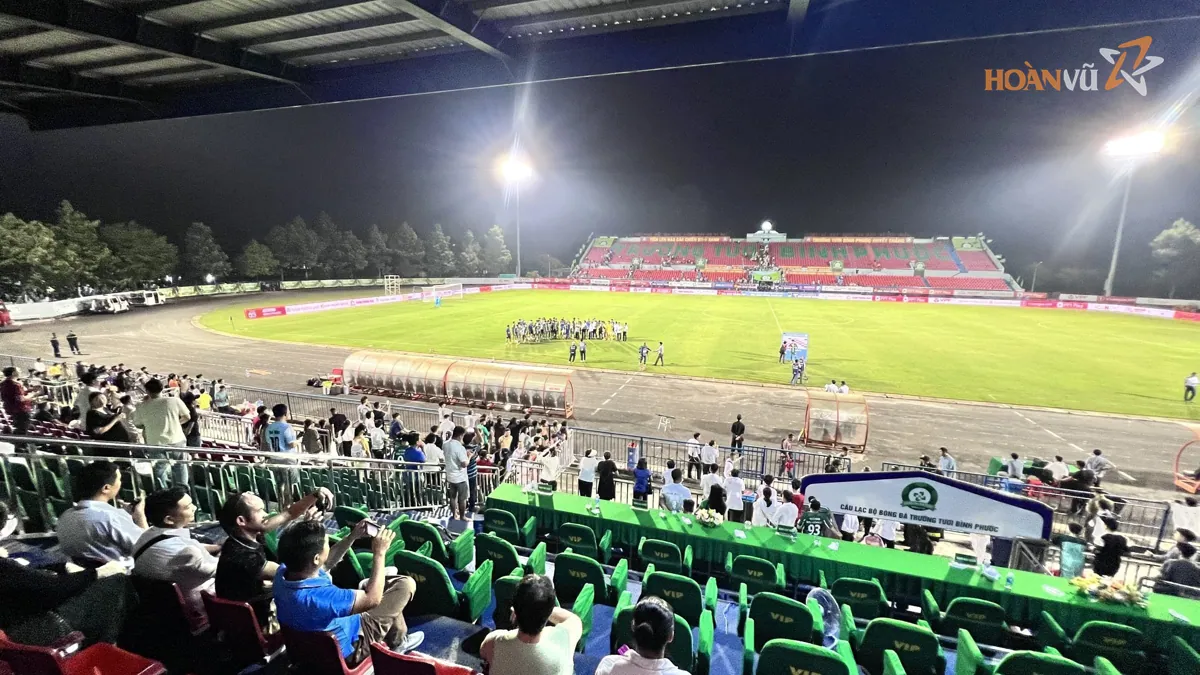
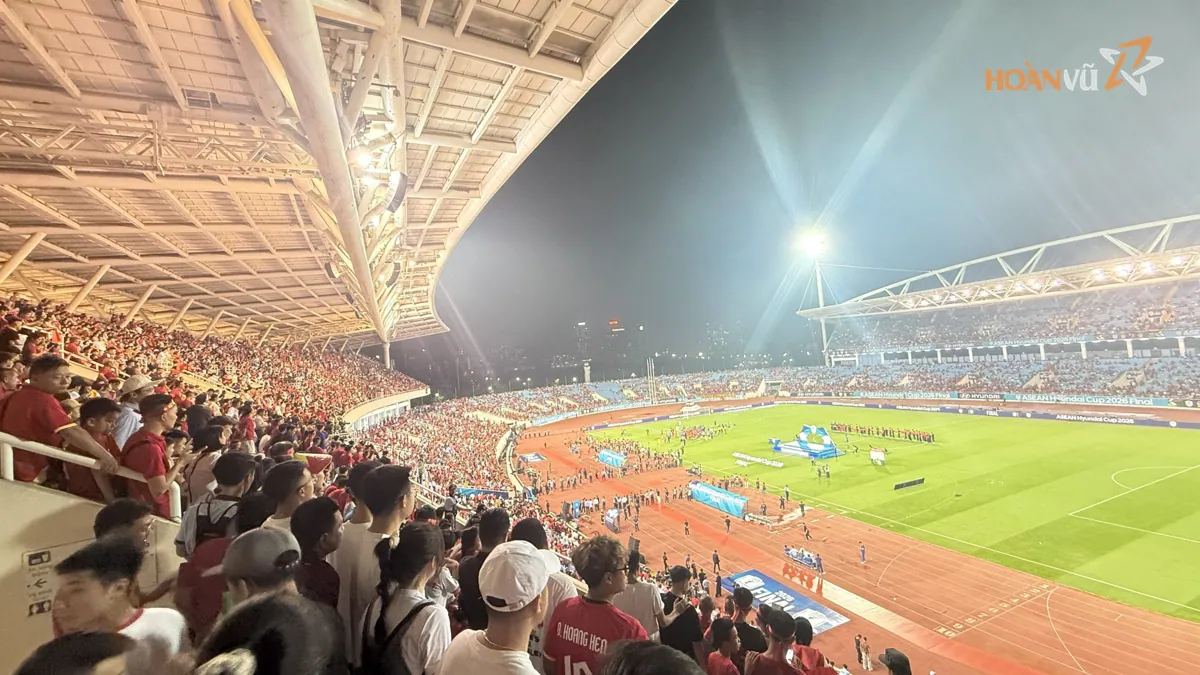
These two numbers differ, and a brand should look at both. The professional football regulation requires a top-tier club stadium to seat at least 10,000, and a second-tier club stadium at least 4,000. That is capacity.
Real attendance sits below capacity and moves with the club, the round and the weather. In the 2024/25 season V.League averaged more than 5,000 per match and remained the best attended league in Southeast Asia. The opening round of 2026/27 recorded 64,000 people across 7 matches, an average of 9,142 per match, with about 12,000 at Vinh stadium.
| Item | Figure | Source |
|---|---|---|
| Minimum capacity, top-tier club | 10,000 seats | Professional football regulation 2023, Article 11.2 |
| Minimum capacity, second-tier club | 4,000 seats | Professional football regulation 2023, Article 11.2 |
| V.League average attendance, 2024/25 | 5,205 per match | ASEAN Football data cited by The thao & Van hoa |
| Round 1, V.League 1-2026/27, 7 matches | 64,000 total, 9,142 per match | Bongda24h |
| Best attended Vietnamese club, 2024/25 | 11,038 per match | ASEAN Football data cited by The thao & Van hoa |
Ticket rights worth spelling out in the contract
Tickets are not a single line item. Split into groups, they get used for the right purpose and they are easier to review at season end.
| Rights item | Spell out | What it is for |
|---|---|---|
| Standard tickets per match | Quantity and stand | Staff, individual guests, customer programmes |
| Covered seats near the halfway line | Quantity and exact location | Hosting corporate guests and partners |
| Tickets for marquee matches | Whether the quantity is capped | The most important rounds of the season |
| Right to buy beyond the allocation | How to order and the cut-off | Unplanned demand |
| Hosting area inside the stadium | Whether it exists, and for how many matches | Meeting guests before kick-off |
| Filming your guest group at the venue | The permitted scope | Post-match content for the brand's own channels |
One small line matters as well: who receives the tickets, and how many days before kick-off. Good deals still fall apart when tickets arrive two days late.
Pairing tickets with presence around the pitch
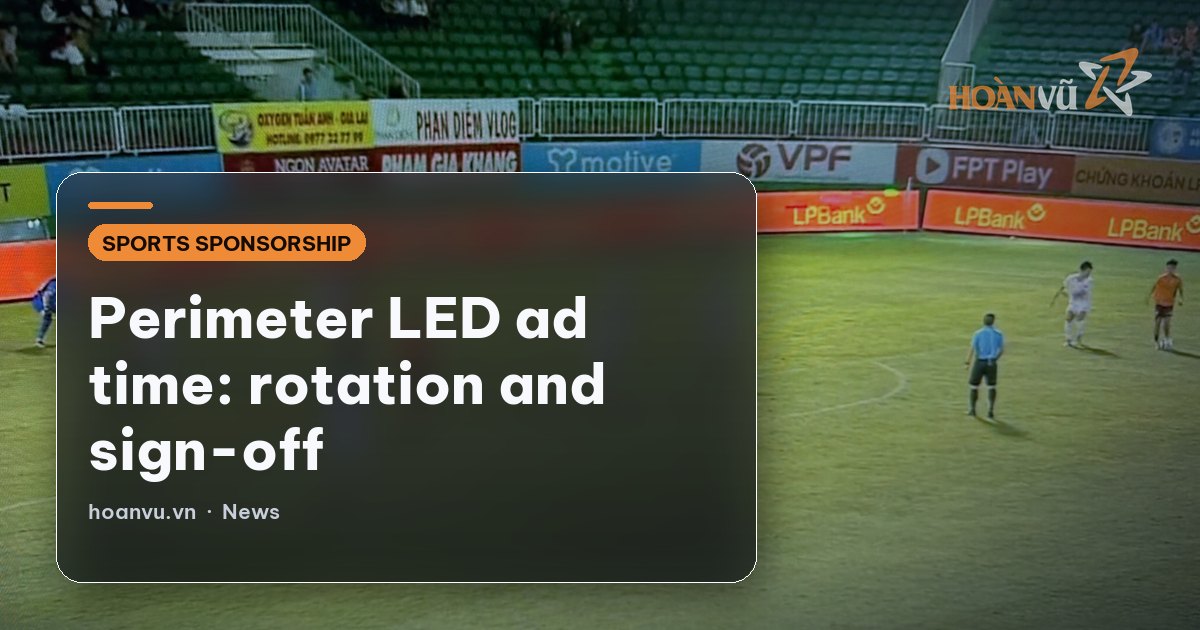
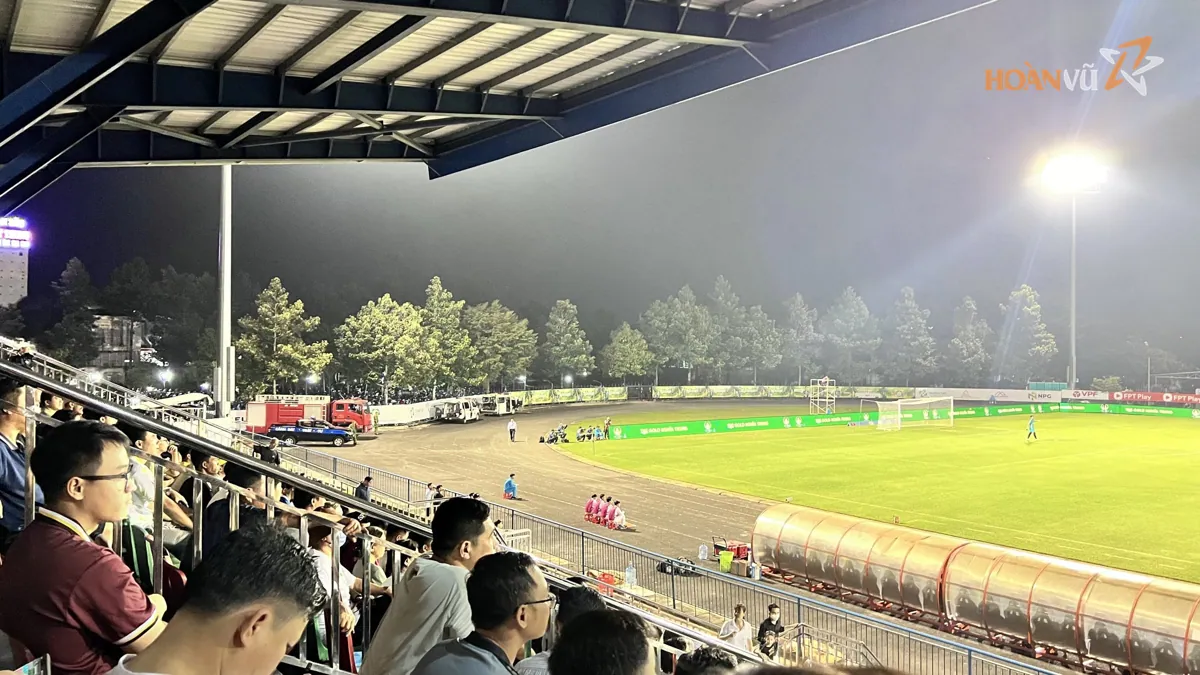
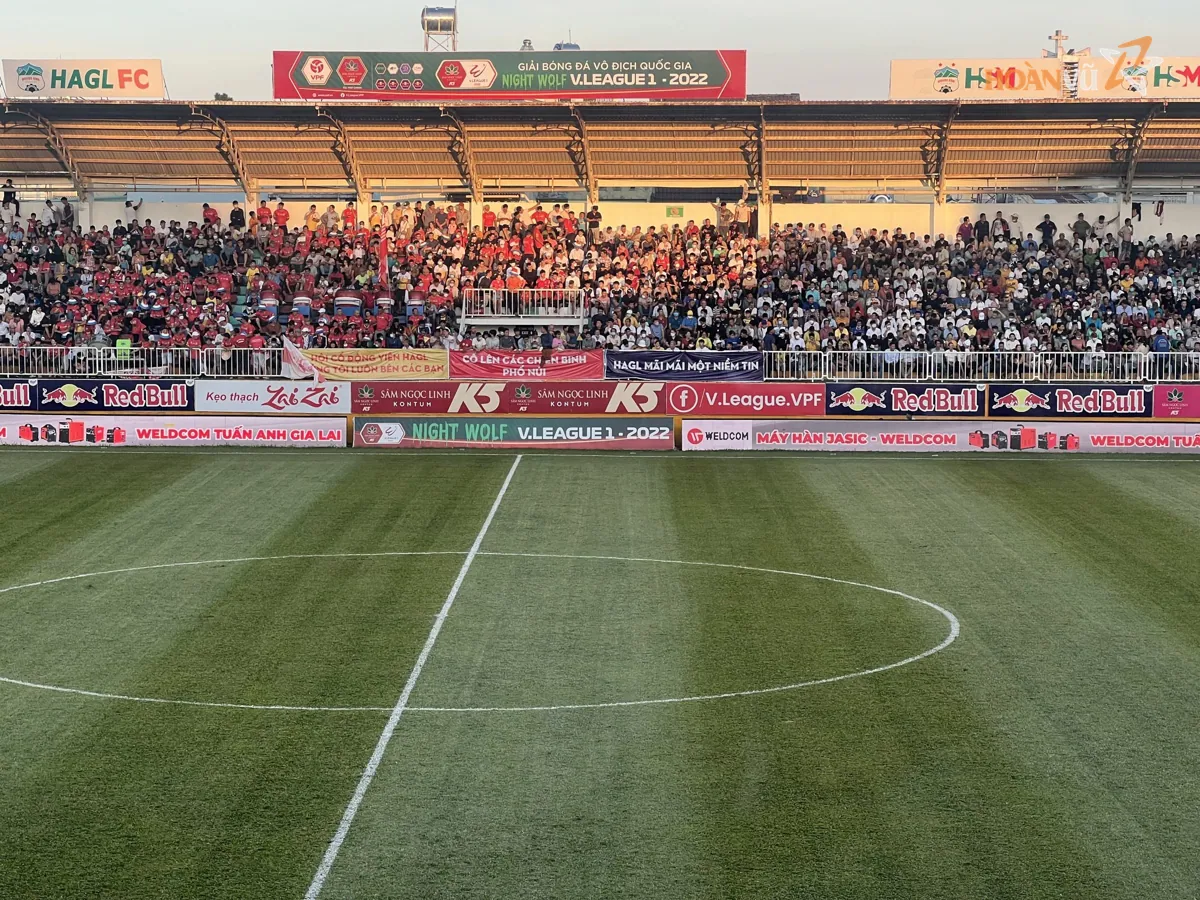
A ticket allocation works hardest when guests sit where they can see the brand. Guests facing the touchline see the brand name running on the LED strip through the match, in the same frame the broadcast sends out. That is the easiest moment to explain a sponsorship to the partner sitting next to you.
So negotiate both parts together: the stand the tickets sit in, and the content slots around the pitch. The two are usually managed by different parties, which makes the brand the one who has to join them up.
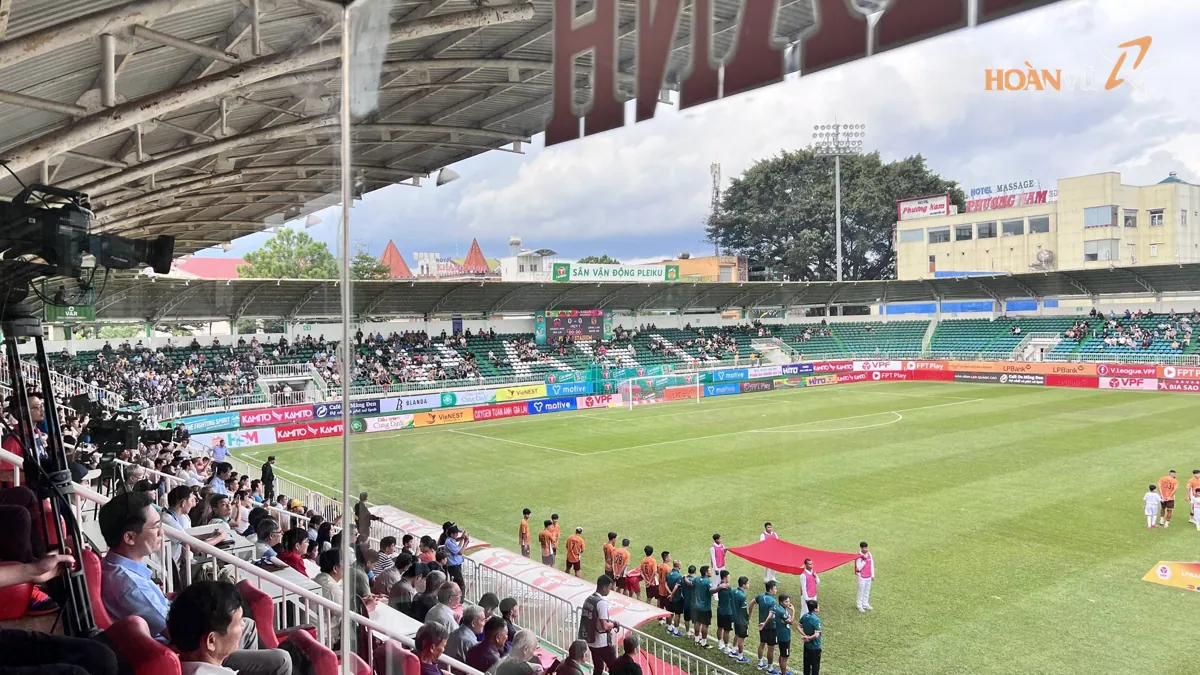
Hoan Vu has worked in advertising since 2001 and became a joint stock company in 2010. It currently operates perimeter LED at four stadiums, Hang Day, Lach Tray, Binh Phuoc and Pleiku, alongside six clubs across about 84 matches a season. A technical crew is on site for each match, and after the match an acceptance record with photos and video is issued. When a brand wants to align a stand with LED slots, that record is the basis for checking. See more at stadium LED solutions.
Rules to know before activating
A few boundaries are worth confirming before any communication plan.
- League commercial rights, including advertising and sponsorship rights, are exploited by the league organiser under its contract with the federation. Club rights and league rights are two separate layers, so ask which belongs to whom.
- A club name or badge may not carry the name or logo of a third party, including a commercial partner or sponsor, outside the stated exemptions. Keep this in mind when designing co-branded items.
- Activity inside the stadium follows the match organisation plan of the home club and the organising committee. Booths, giveaways and filming all need prior approval.
Measuring what ticket rights deliver
Tickets are harder to measure than LED, but they can be measured. Four practical numbers: guests who actually attend against tickets issued, intentional meetings held at the venue, deals or opportunities arising after the matches where guests were hosted, and pieces of content produced per match.
Record these four by round. After roughly ten matches the picture is clear enough to decide which matches deserve the tickets next season.
Frequently asked questions
How many tickets should a brand take per match?
Take the number of guests you can genuinely host, not the maximum available. A small group in the right stand with someone looking after them beats a large allocation handed out at random.
Can sponsor tickets be used as promotional gifts?
Spell it out in the contract, because each club has its own rules on transferring complimentary tickets. For a promotional campaign, the brand should also check the procedures required under current regulations.
Can ticket rights be measured the way LED is measured?
Not in the same way. Perimeter LED is measured in slots and airtime through the acceptance record, while tickets are measured by guests attending, meetings held and what follows from them.
Conclusion
Sponsor ticket rights only pay off when they are grouped clearly, placed in the right stand, tied to presence around the pitch and tracked with a few simple numbers. Settle this before the season rather than when the first envelope of tickets arrives.
To review ticket rights and a venue presence plan for next season, leave your details or call the hotline 0964 73 74 73.
Hoan Vu connects brands with clubs, builds packages and reports match by match.