Many brands sign a sponsorship deal and only then start thinking about content. The opening round is gone, the artwork is still in review, and the first home match runs a holding logo. The money covers the full season, but the real exposure starts a few rounds late.
The fixture list exists before anything else. Once you know how long the season runs, how many home matches you get and which games go on air, a sponsorship plan can be split by month and by round instead of peaking at the signing ceremony.
How long the season runs and how many touchpoints it holds
The 2026/27 V.League 1 season has 14 clubs playing a home-and-away double round-robin: 26 rounds and 182 matches in total. It began on 4 September 2026 and is scheduled to end on 22 May 2027. Matches are streamed live on FPT Play, with some also carried on television channels.
| Item | 2026/27 season |
|---|---|
| Clubs | 14 |
| Format | Double round-robin, home and away |
| Rounds | 26 |
| Total matches | 182 |
| Opening date | 4 September 2026 |
| Scheduled finish | 22 May 2027 |
| Home matches per club | 13 |
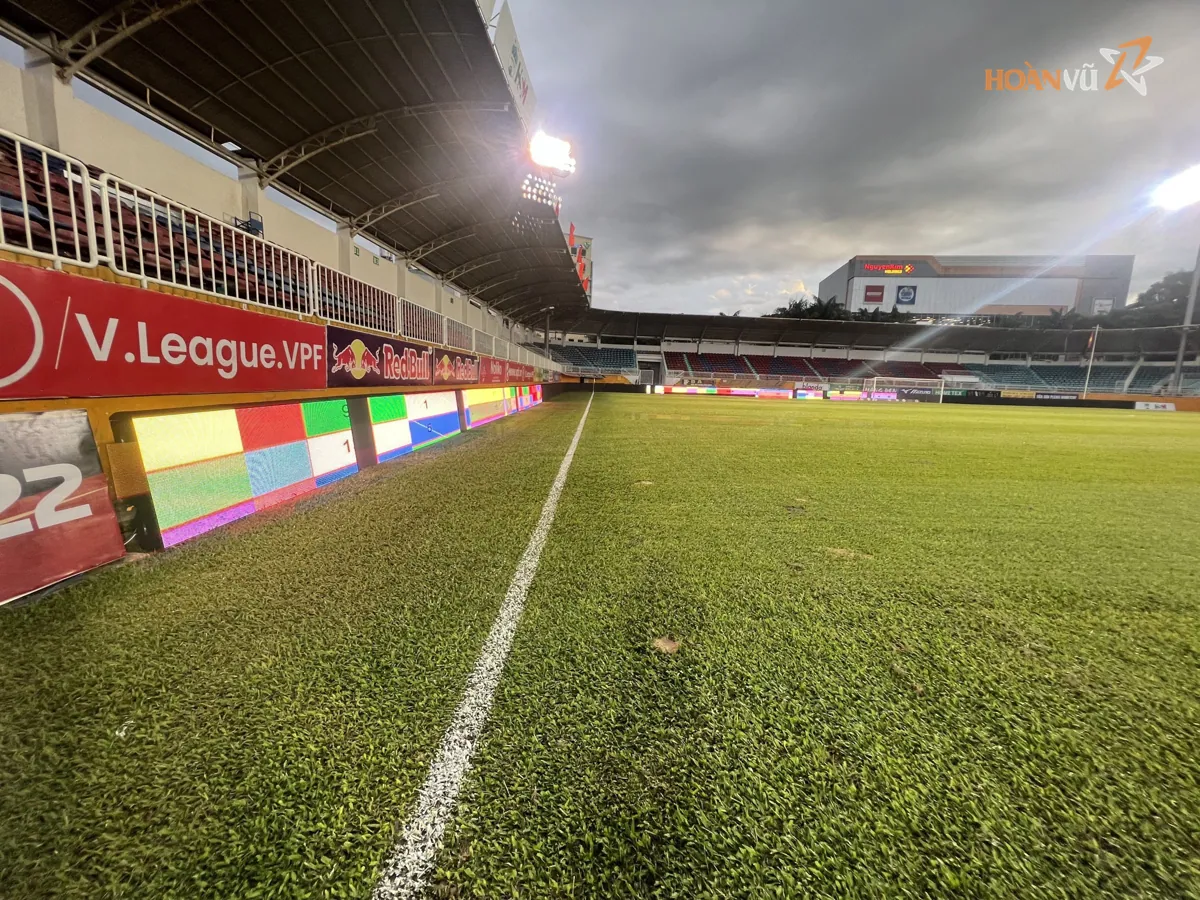
The number to remember is 13, not 26. A brand backing one club owns the in-stadium space for 13 matches; the rest of the fixtures belong to someone else's ground. Nine months divided by 13 matches is roughly one match every two to three weeks. That is the real rhythm of a season-long deal.
Split the season into three stretches
Opening stretch
The first rounds draw the biggest crowds and the most media attention. This is where content should be at its best: approved artwork, a short message, a vertical version for photos and a wide version for perimeter LED. Waiting on approvals when round one arrives means giving up the most valuable part of the season.
Middle stretch
The middle is long and easy to let drift. Fixtures move, weather changes, and the same loop runs so often that people stop reading it. The usual fix is to refresh in waves: a new set of artwork every three or four home matches, tied to something real such as a product launch, a supporter programme or retail activity.
Final stretch
In the closing rounds the stakes rise and so do viewing and sharing numbers. If any contracted rights are still unused, this is where to concentrate them. Do not let entitlements expire alongside the last round with nothing delivered.
Treat each home match as a three-part cycle
A match is worth more than one logo appearance. Splitting it into three parts makes the work easy to assign and easy to sign off.
| Stage | Brand side | Operations side |
|---|---|---|
| Before the match | Lock content, approve files, prepare on-site activity | Receive files, check ratio and colour, load the system |
| During the match | Staff the activation, shoot photos, collect feedback | Run the minute-by-minute script, fix issues on site |
| After the match | Read the report, set content for the next game | Acceptance record with photos and video of what ran |
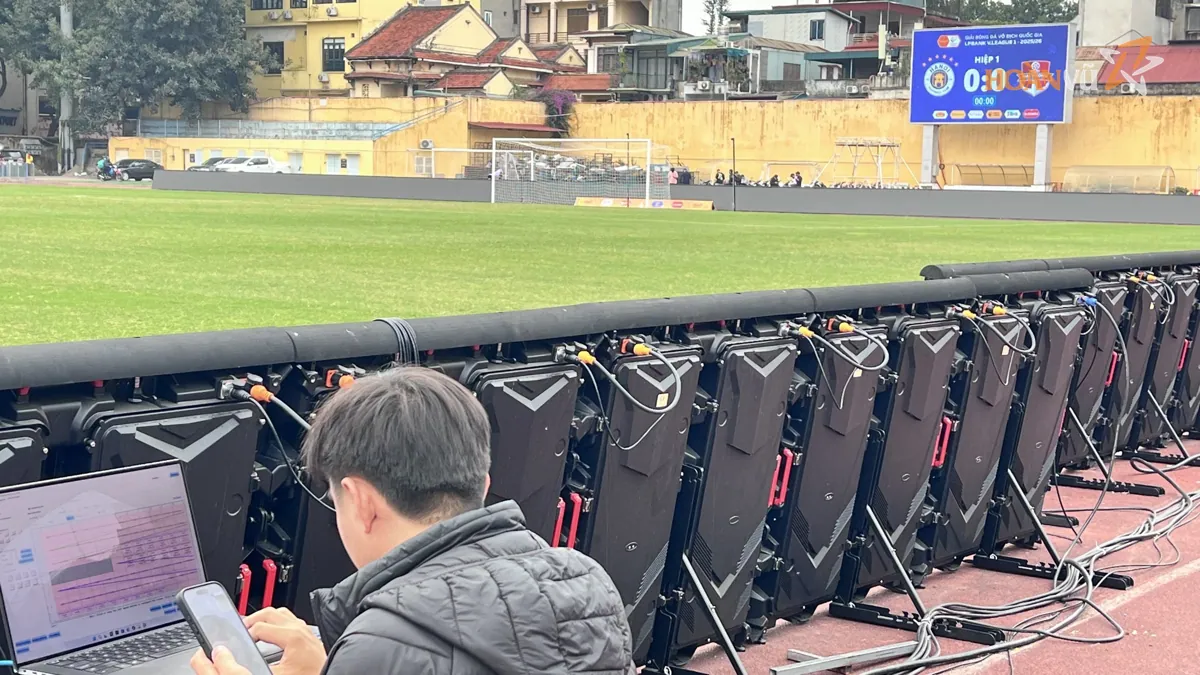
The after-match part is the one most often skipped. Without an acceptance record carrying photos and video, nobody can say by the end of the season how often the content ran, in which minute or at which match. Renewal talks then rest on impressions alone. A closer look at measurement sits in the piece on club sponsorship rights packages.
How far ahead perimeter LED content has to be ready
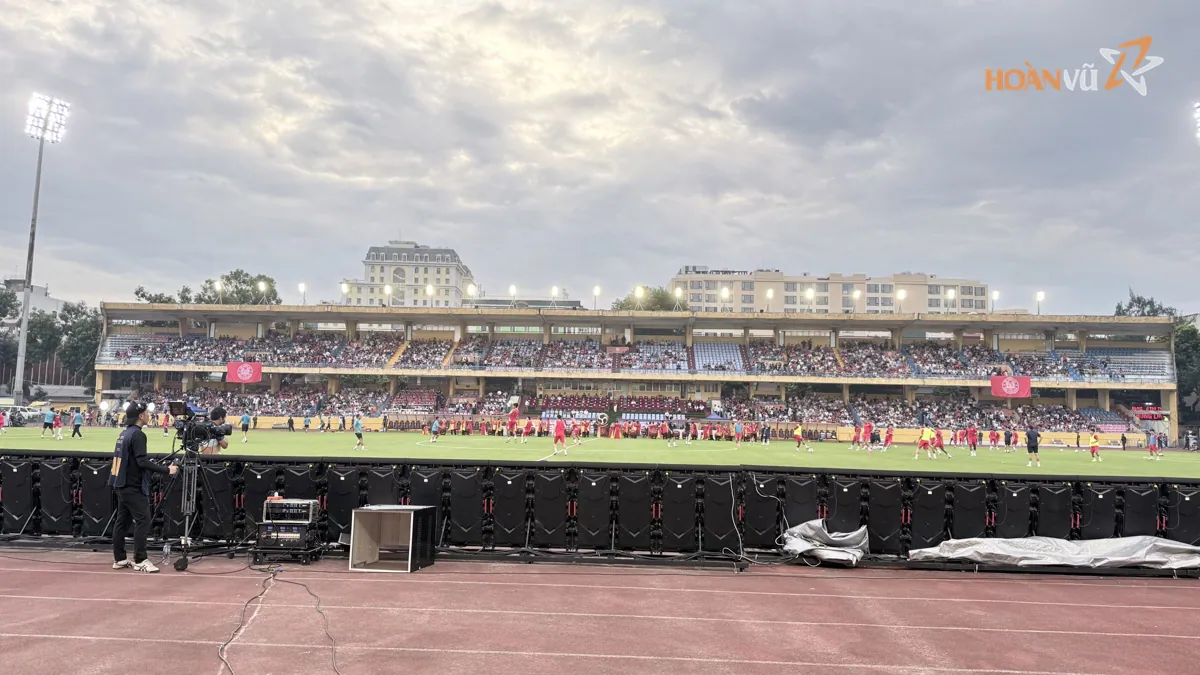
Perimeter LED does not take files the way a printed banner does. The strip is very long and very shallow, so artwork has to be built to the strip's own ratio, with large sparse type and restrained motion so broadcast cameras do not smear it. Print artwork dropped straight onto LED usually loses text at both ends.
A workable rhythm: agree the idea about two weeks out, deliver files three to five days out, and test on site during the pre-match check. With 13 home matches in a season, one missed beat pushes the work into the next game.
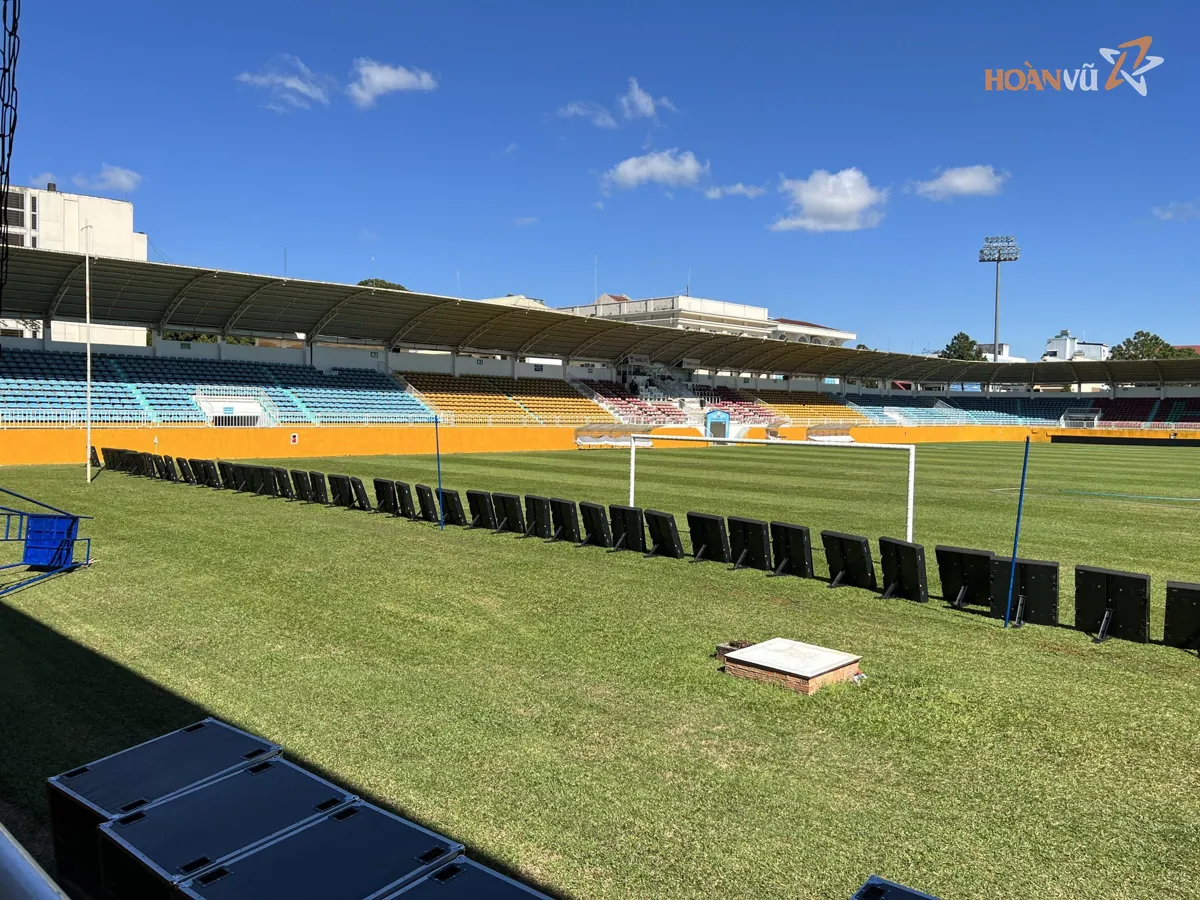
Hoan Vu has worked in advertising since 2001 and became a joint stock company in 2010. The company currently runs perimeter LED at four grounds, Hang Day, Lach Tray, Binh Phuoc and Pleiku, working with six clubs across roughly 84 matches a season. Every match has a technical crew on site and an acceptance record with photos and video afterwards, so a brand can track round by round instead of waiting for an end-of-season summary. See more on stadium LED solutions.
A month-by-month preparation schedule
- About two months before the season: confirm the club and the ground, collect LED strip specifications and league regulations.
- About three weeks before round one: approve the opening-stretch artwork and build the minute script for the first home match.
- Every three to four home matches: refresh artwork, review the reports and adjust the message.
- Mid-season: audit unused entitlements and redistribute them across the remaining fixtures.
- One month before the final stretch: prepare content for the high-stakes matches.
Frequently asked questions
How many matches does the 2026/27 season hold and how long does it last?
The league has 14 clubs, 26 rounds and 182 matches, opening on 4 September 2026 and scheduled to finish on 22 May 2027. Each club plays 13 home matches.
How far before a match should perimeter LED content be locked?
A safe rhythm is agreeing the idea about two weeks out and delivering files three to five days out, leaving time to check ratio and colour and to run a test at the ground.
Is it too late to start sponsoring mid-season?
No, because in-stadium rights are counted in remaining home matches. The work is to recount what is left and concentrate content there, rather than spreading it evenly as a full-season deal would.
Conclusion
A good sponsorship plan starts from the fixture list, not from the signing date. Count the home matches, split the season into three stretches, and give every match its full before, during and after. To build a plan for this season, leave your details or call the hotline 0964 73 74 73.
Hoan Vu connects brands with clubs, builds packages and reports match by match.