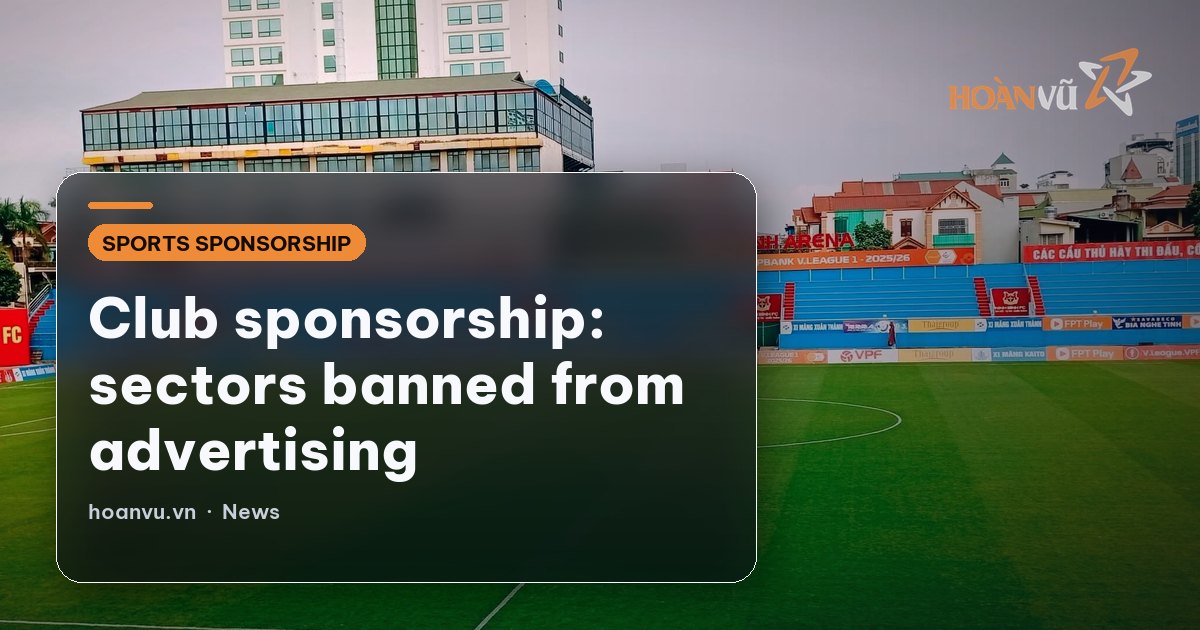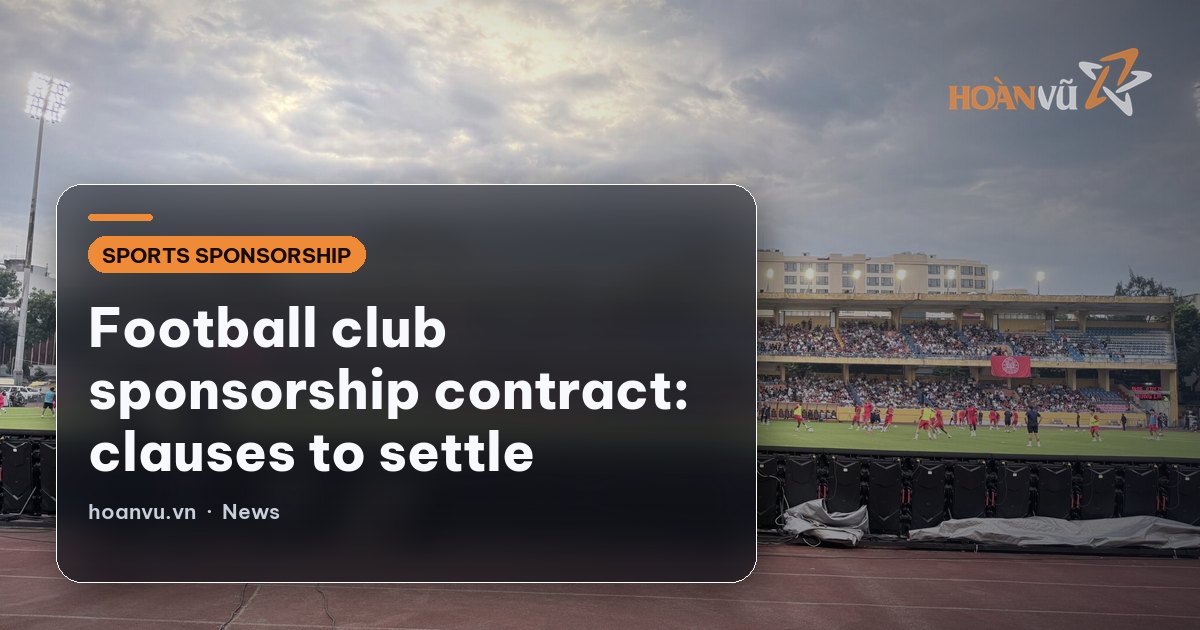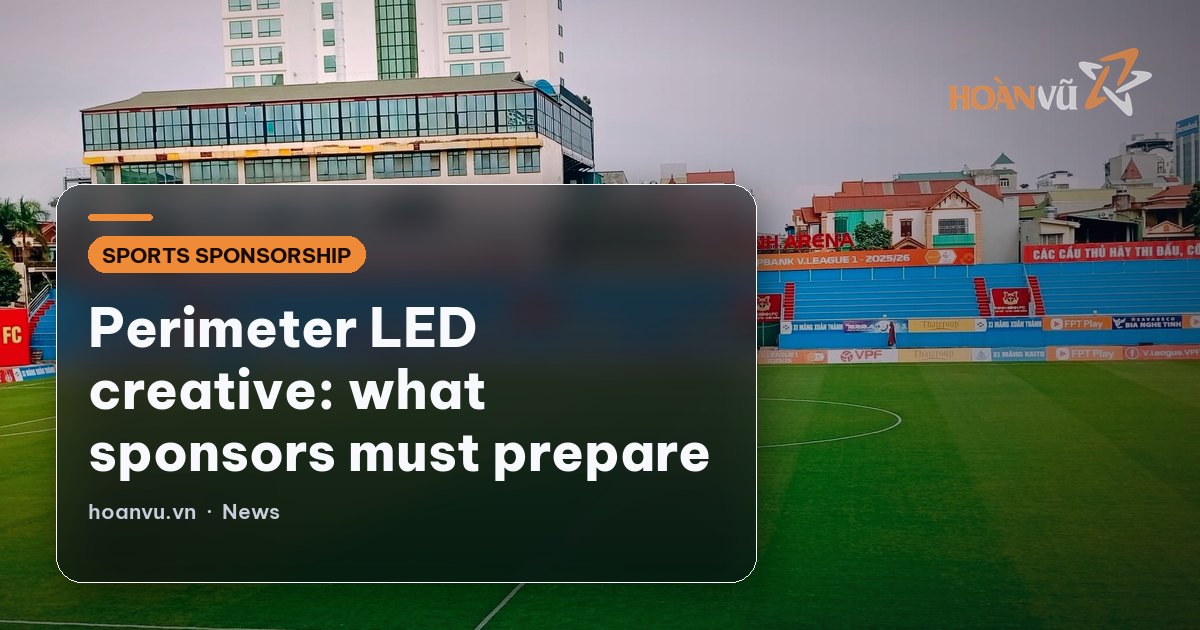
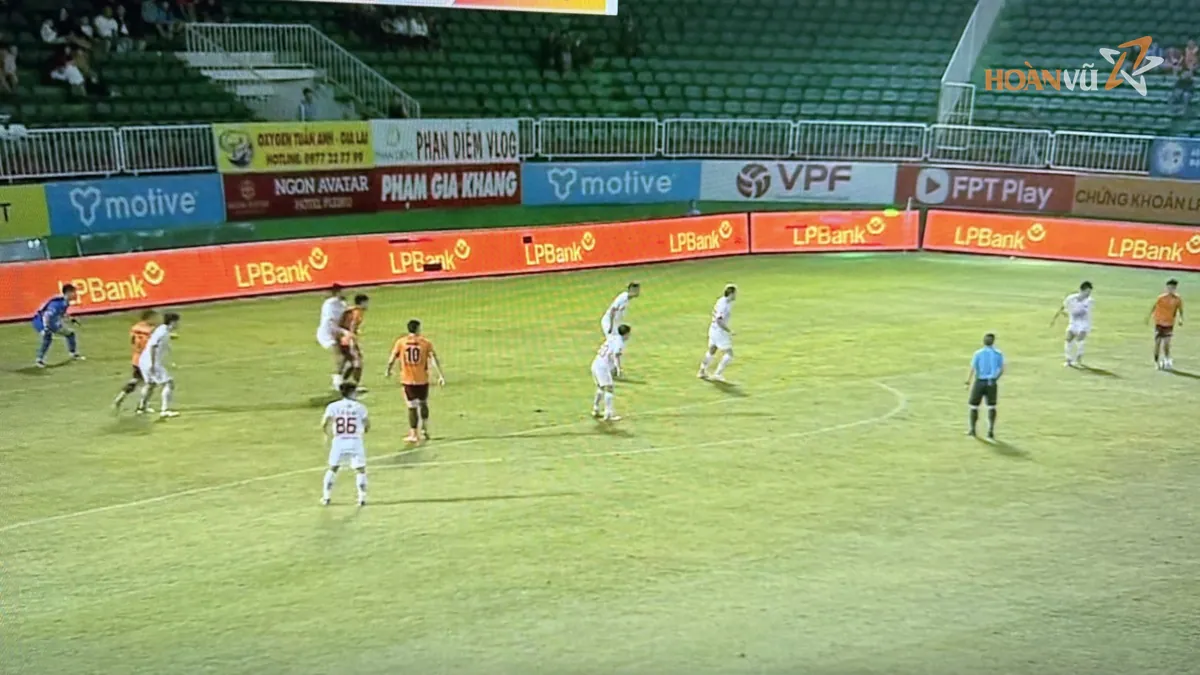
A brand signs a sponsorship deal, and by the final whistle three questions are still open: how many plays did our content get, how long was each one, and did any of them land on a live passage of play. Clubs face the same gap, because perimeter LED advertising time is not something a venue hands out freely. It is a resource divided by competition rules, and after the match it has to be certified for sign-off.
This article covers that part: how the time is converted, how files should be delivered, and what a sign-off file should contain.
Ad time is converted against the 90-minute match
Section 24.3 of the Guidelines for implementing the Regulations of the 2026/27 national professional football competitions states that electronic advertising boards have their time converted on the basis of the number of official advertising boards owned by VPF and by the home club, divided over the 90 minutes of regulation play.
In plain terms: when a venue uses perimeter LED instead of fabric-frame boards, each party's board count becomes a matching share of those 90 minutes. More boards means more plays. Nobody runs continuously for the whole match.
Section 24.3 also sets two separate windows outside regulation play. From at least 60 minutes before kick-off and during the half-time break, the screen shows the boards fixed according to the approved layout and positions, or splits the owned time between VPF and the club.
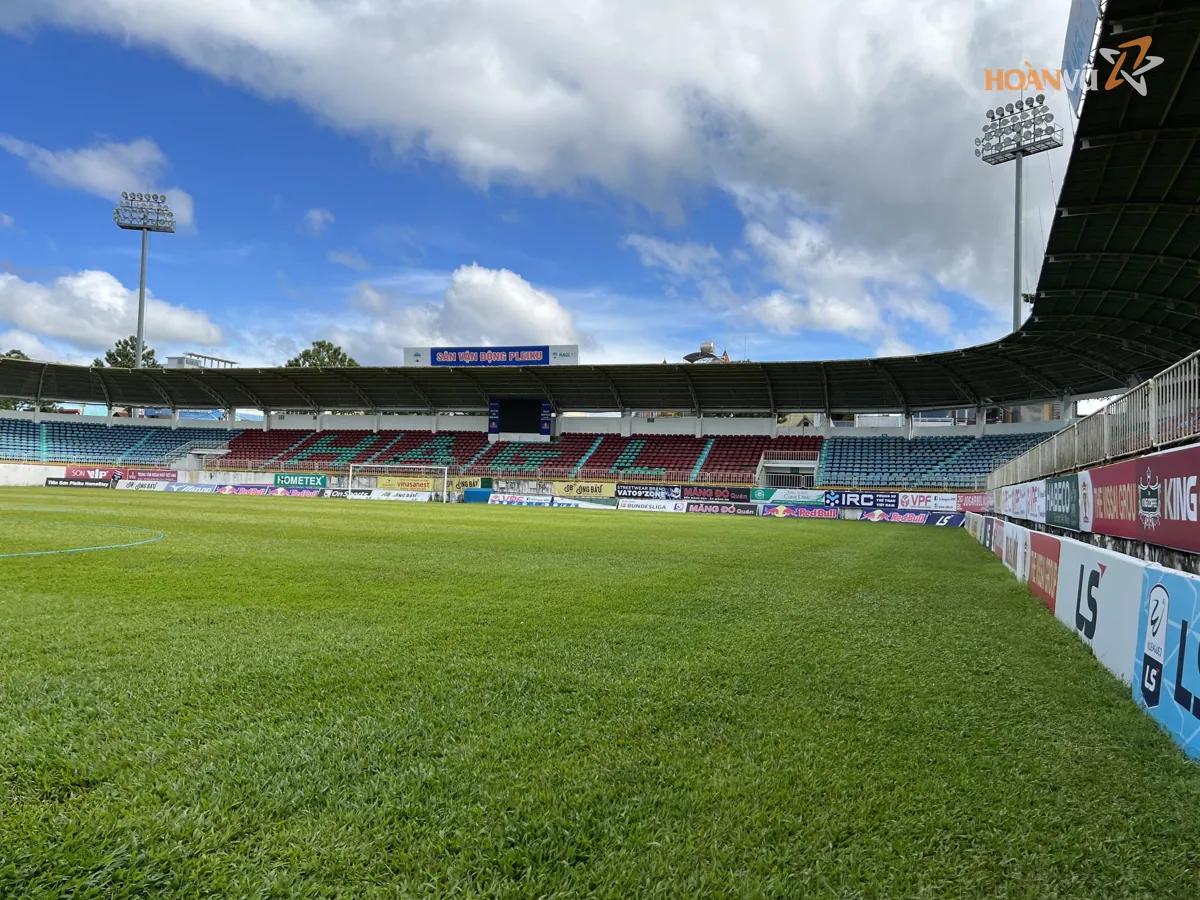
Board counts, sizes and placement distances
To understand its own share, a brand needs to know how many boards a venue has and who owns them. Section 24 sets this out:
| Board type | Count | Size | Home club | VPF |
|---|---|---|---|---|
| Round 1 boards | 56 | 1 m high, 5 m long | 32 | 22 |
| Round 2 boards | 24 | 1 m high, 5 m long, raised at least 70 cm above ground | 8 | 16 |
| Behind-goal boards | 2 | 0.4 m high, 7 m long | — | 2 |
On placement, Section 24 requires boards to sit at least 3 m from the touchline and at least 5 m from the goal line. Electronic boards are 1 m high and go in the positions matching those of the fabric-frame boards. The two competition-name boards sit at the centre of Stand B and hold a fixed image for the whole match.
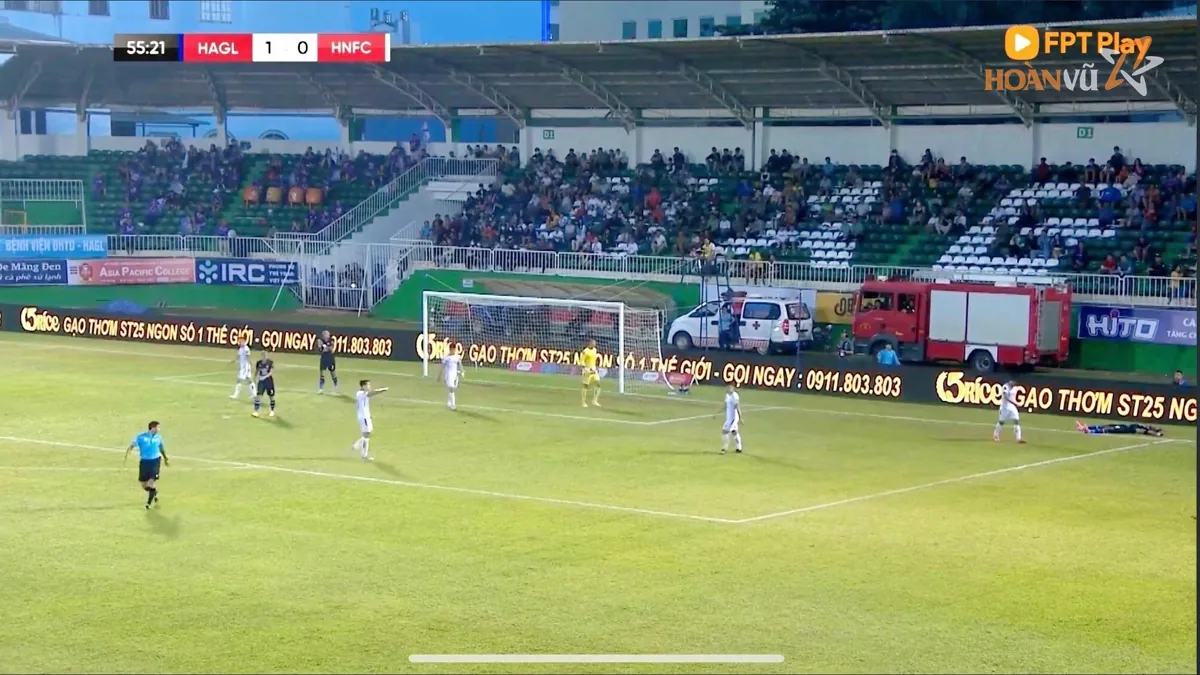
These numbers explain why the same contract feels different from venue to venue. How boards are distributed across stands, and where that venue's cameras sit, decides how many of a brand's plays fall inside the frame.
File specs for the venue
Section 24.3 sets the file spec for electronic boards: mp4 format, resolution matching the standard of the LED screen installed at that venue, and a run length of 15 or 30 seconds per play.
Two details get missed. First, resolution is per venue, so there is no single master file that works everywhere, and the screen spec has to be requested before design starts. Second, before each match the club must supply VPF with the file setting out time allocation and the number of advertising plays. That document is the reference used for post-match reconciliation, so a brand should ask for a copy.
Late delivery is the most common reason for lost plays. Wrong aspect ratio, type that is too small, or a background that is too dark all mean a rebuild, and a rebuild rarely fits into match day.
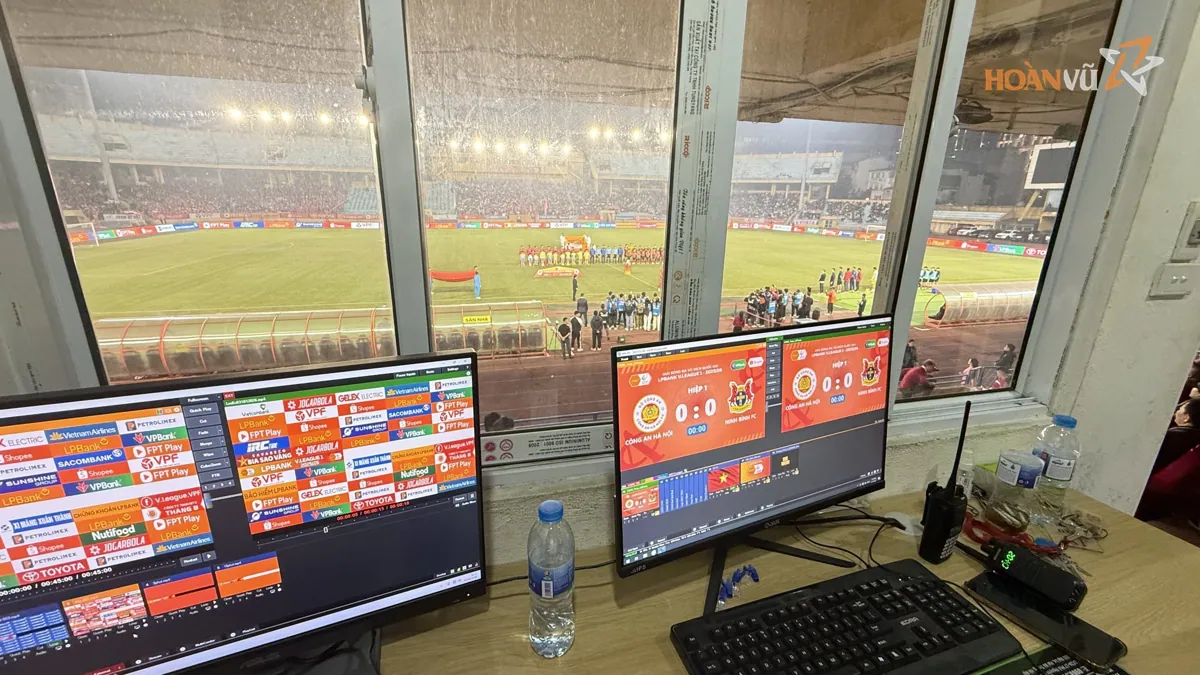
Sign-off: certifying the time actually played
This is the part that decides whether a contract can be closed out. Section 24.3 requires certification of the time actually played, to serve as the basis for sign-off with sponsorship partners after each match. At regulation level, Article 46.2 of the Regulations of the 2026/27 National First Division requires clubs to complete and submit a Sponsorship and Communications report through the management software system, following the issued guidance.
A workable sign-off file usually has four parts:
- The pre-match allocation file, with the number of plays and the length of each.
- The actual play log from the match, reconciled against the allocation file.
- Photos and video taken at the venue, clearly showing the content on the LED strip at different positions.
- A signed sign-off record.
It is worth planning for the bad case too. Section 24.3 requires the club to ensure the electronic board runs reliably on match day, and to have a plan to compensate for any sponsorship loss arising from a failure. How that compensation is calculated belongs in the contract, rather than in a negotiation after the plays are already gone.
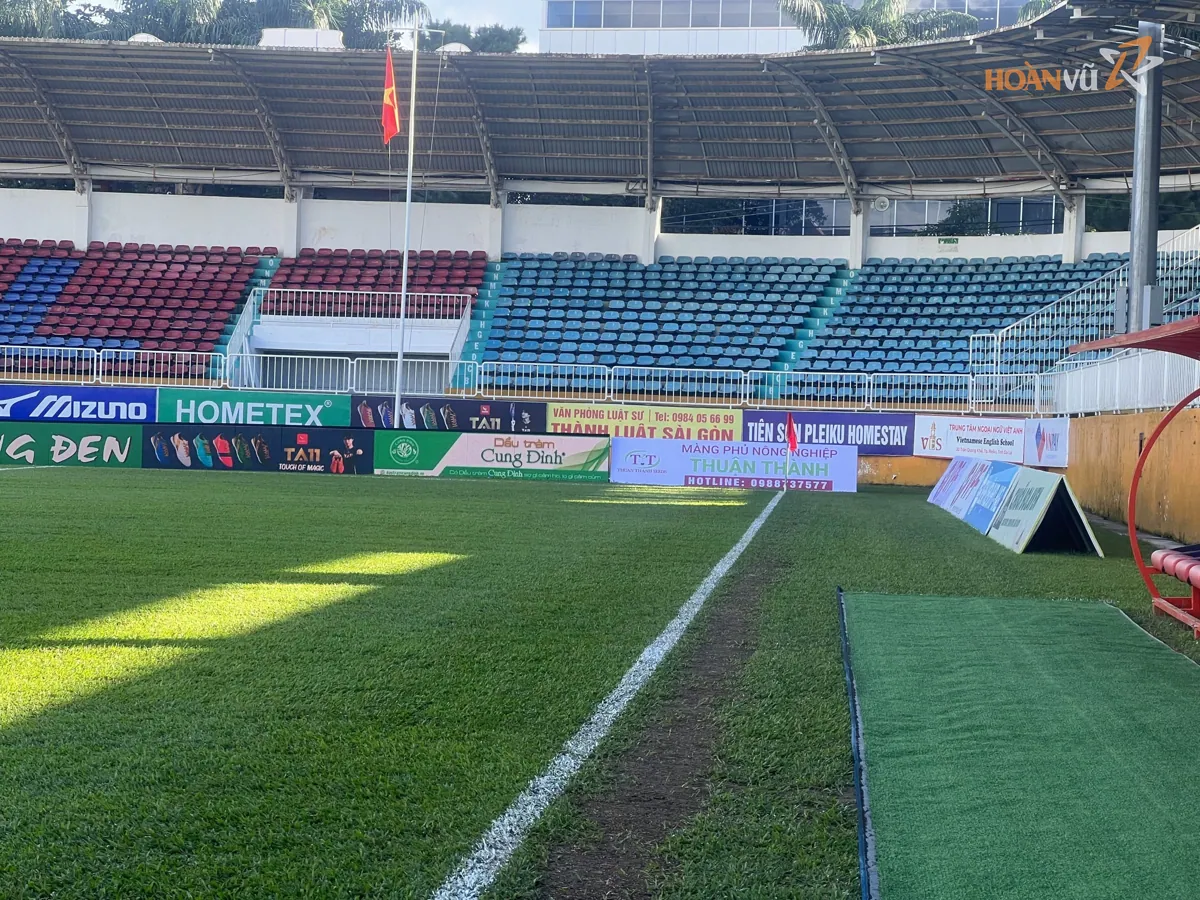
Hoan Vu has worked in advertising since 2001 and became a joint stock company in 2010. The company currently operates perimeter LED at four venues, Hang Day, Lach Tray, Binh Phuoc and Pleiku, working with six clubs across roughly 84 matches a season. Every match has a technical crew on site, and each match is followed by a sign-off record with photos and video for brands to reconcile against. Technical detail and layout are covered under stadium LED solutions.
Pre-match checks that protect the plays
Time can be allocated correctly and still lose its value if the screen comes up with the wrong colour or brightness. International practice treats this seriously. Article 73.04 of the UEFA Conference League 2025/26 regulations requires the system to be tested the evening before the match, under full match floodlight conditions, for colour matching and camera calibration. The same article states the boards form one single system, at least 80 cm high, must be fully visible from the main camera position, and the content should be fully legible under floodlights.
At domestic venues the matching work is running a colour-check pattern cabinet by cabinet before kick-off, inspecting power and cabling, then running a live test of the exact content due to play. Fifteen minutes of checks avoid a lost match.
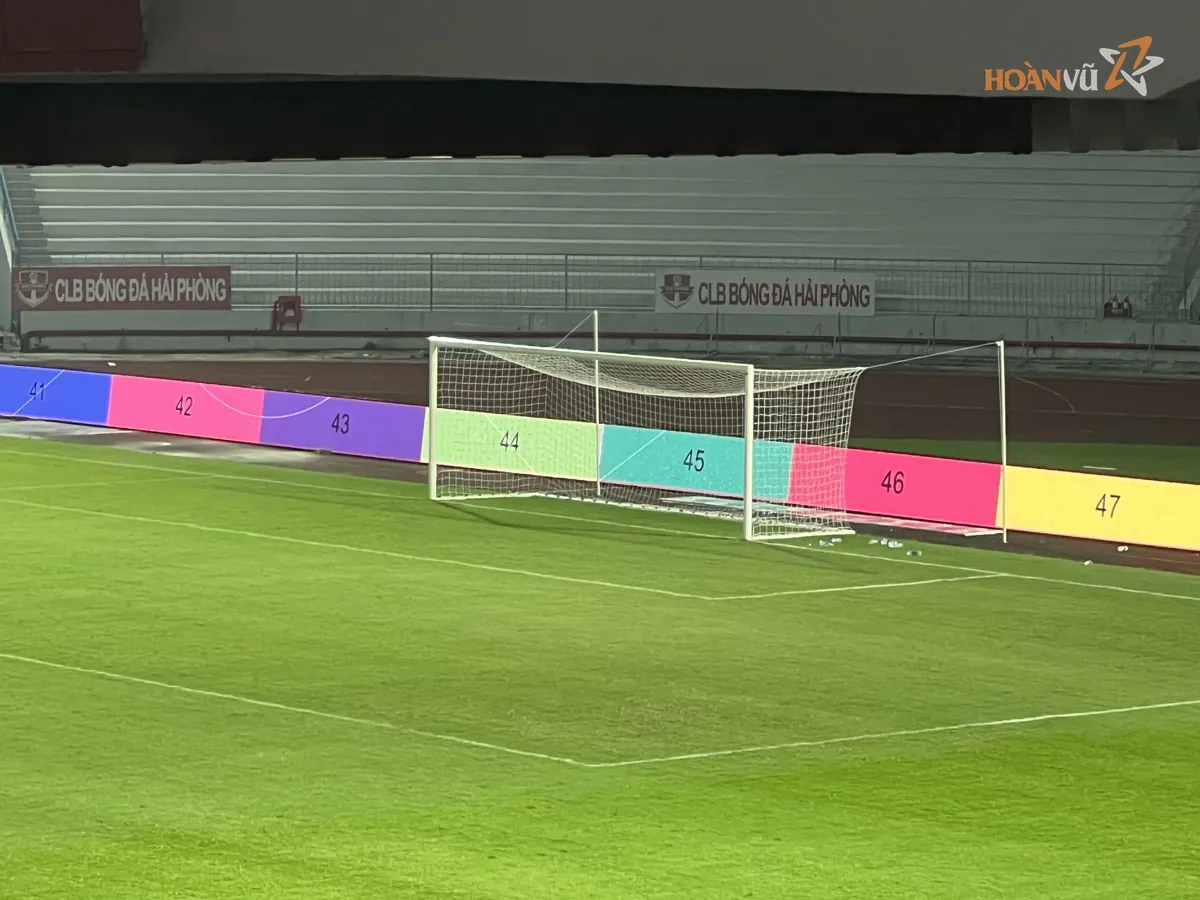
The broadcast angle decides what is seen
A play only becomes value when it sits inside the frame. That is why Article 73.04 requires boards to be fully visible from the main camera position, while the domestic guidance requires media working positions not to obstruct the advertising boards, and Steadicam operators to avoid blocking the venue's board system.
Brands should review the match footage alongside the play log. Only by comparing the two does it become clear which plays coincided with live action in a camera-covered area, and which fell while the ball was at the far end. That data serves next season better than asking for extra plays.
For more on designing content for the LED strip, see Perimeter LED advertising content: what brands need to prepare.
Frequently asked questions
How is a brand's perimeter LED time calculated
Under Section 24.3 of the Guidelines for implementing the Regulations of the 2026/27 national professional football competitions, time is converted from the number of official advertising boards owned by VPF and the home club, divided over the 90 minutes of regulation play. A brand's share sits inside the allocation of whichever party it contracted with.
What files does a brand need to deliver
An mp4 file at the resolution standard of the LED screen installed at that venue, with each play running 15 or 30 seconds. Ask for each venue's screen spec before design starts, because venues differ.
What does a brand receive after the match for sign-off
Certification of the time actually played, under Section 24.3, is the basis for sign-off with sponsorship partners. It should come with the pre-match allocation file, the actual play log, venue photos and video, and a signed record.
Conclusion
Perimeter LED advertising time is a governed number, not a matter of impression. Knowing how it converts against the 90 minutes, delivering files to each venue's spec, and keeping a complete post-match sign-off file are the three things that let brands and clubs speak the same language at the end of a season. To review the time allocation and sign-off file on your own contract, leave your details or call the hotline on 0964 73 74 73.
Hoan Vu connects brands with clubs, builds packages and reports match by match.