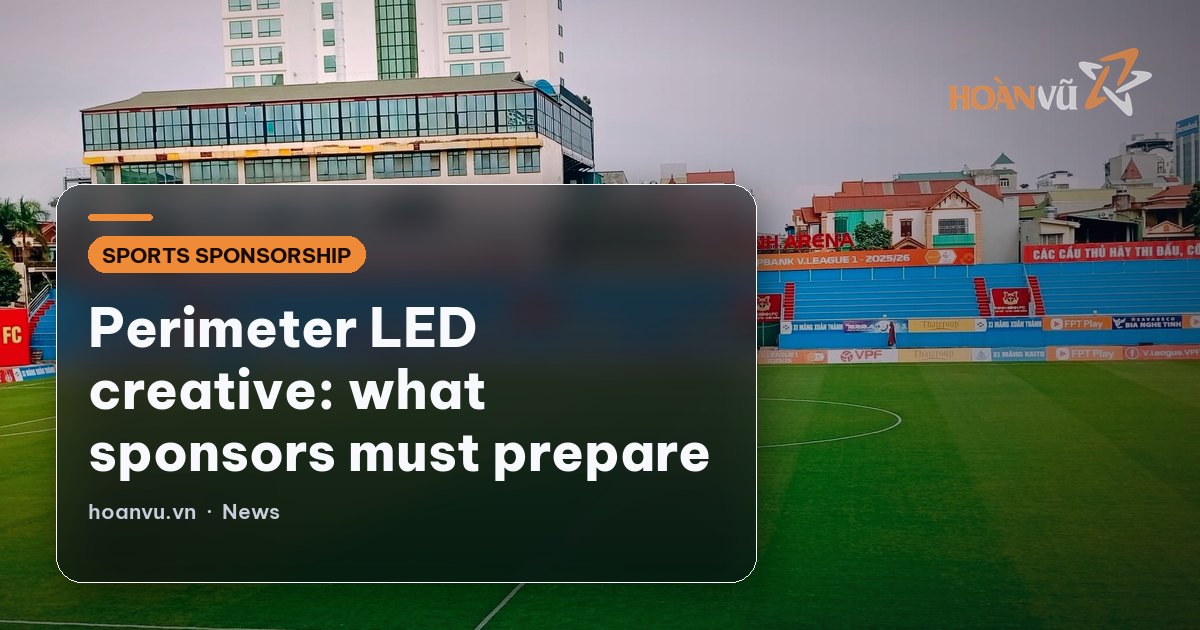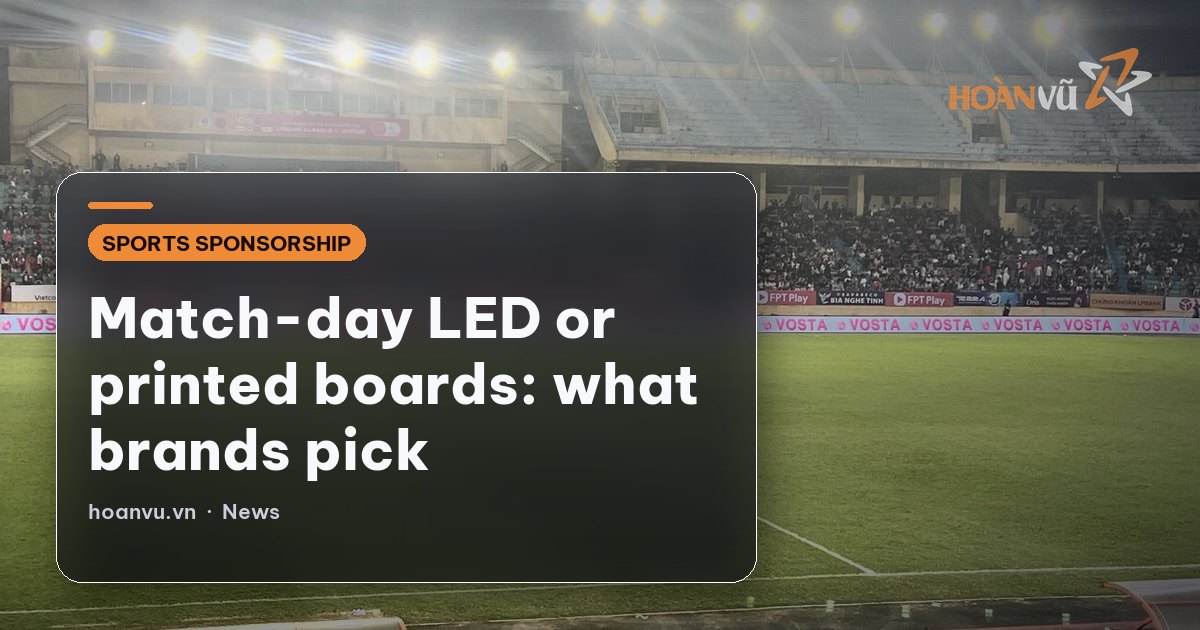
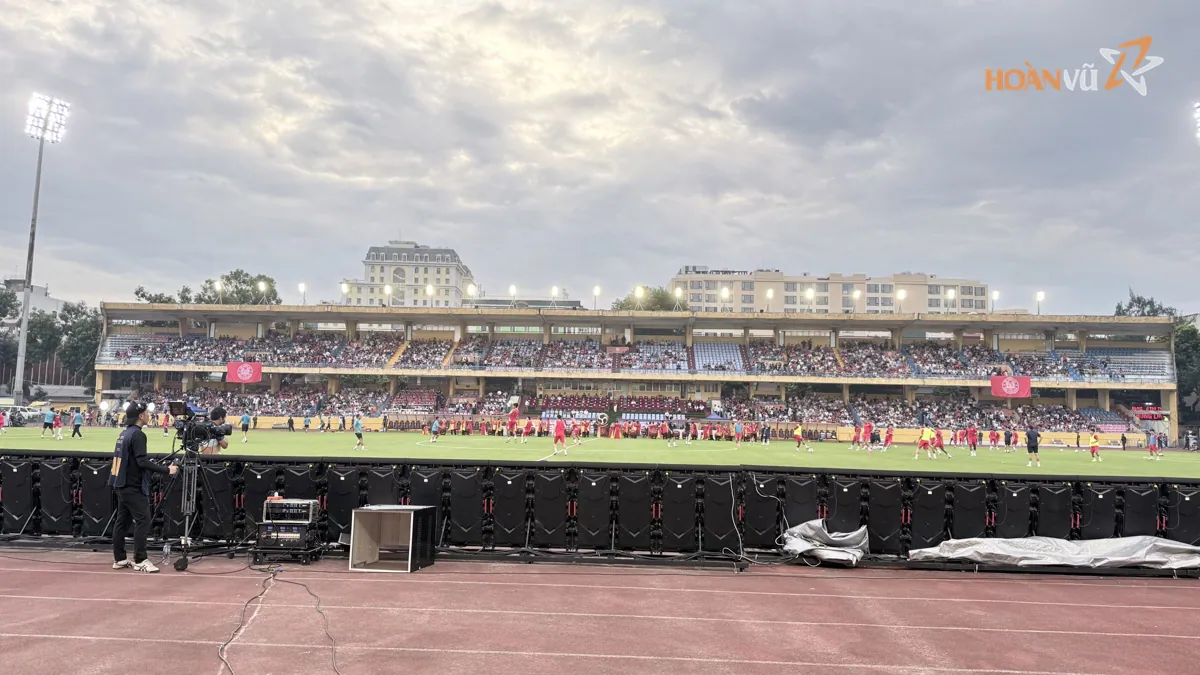
A season opens, the budget clears, and both sides agree on the number quickly. The trouble shows up elsewhere. By the fifth match nobody can say how many minutes the creative actually ran, who answers if a regulator questions the content, and where the rights go when a fixture moves to another ground. A good football club sponsorship contract answers those questions before the first whistle.
The legal basis of a football club sponsorship contract
Three layers of regulation apply to one agreement, and skipping any of them invites a dispute.
- Sport law. Vietnam's Law on Physical Training and Sports allows a professional sports club to receive and use sponsorship from domestic and foreign organisations and individuals. That is the basis for the club signing as the sponsored party.
- Ownership of the competition. Article 53 states that the owner of a professional competition is the national federation, the professional club, or whichever organisation or individual staged it. Protection follows civil and intellectual property law, and ownership may be transferred by contract. The practical consequence: some rights sit with the club, others with the league operator.
- Advertising law. The Law on Advertising requires cooperation between parties in advertising activity to go through an advertising service contract. The visibility portion of a sponsorship deal is still an advertising relationship, with all the duties that follow.
Clauses to settle before signing
Scope of rights and where the brand appears
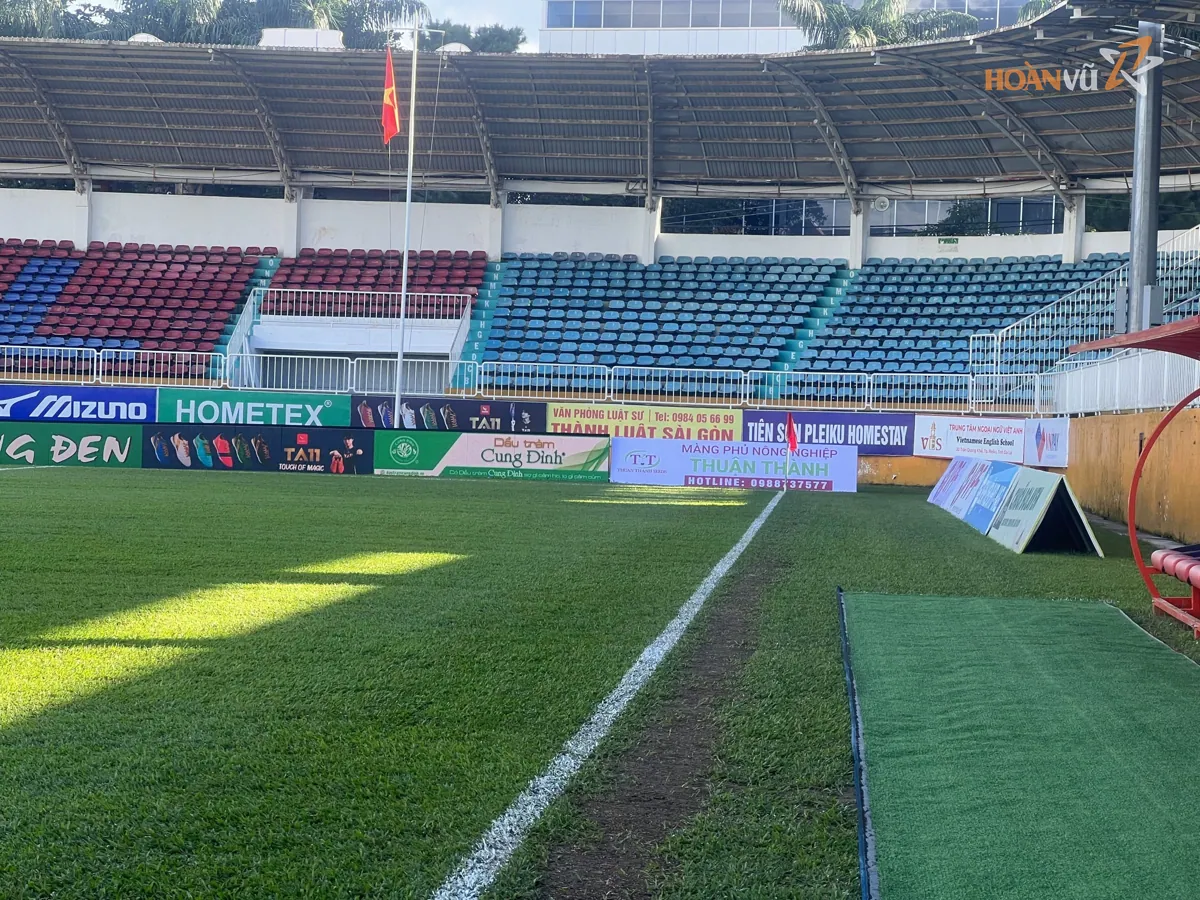
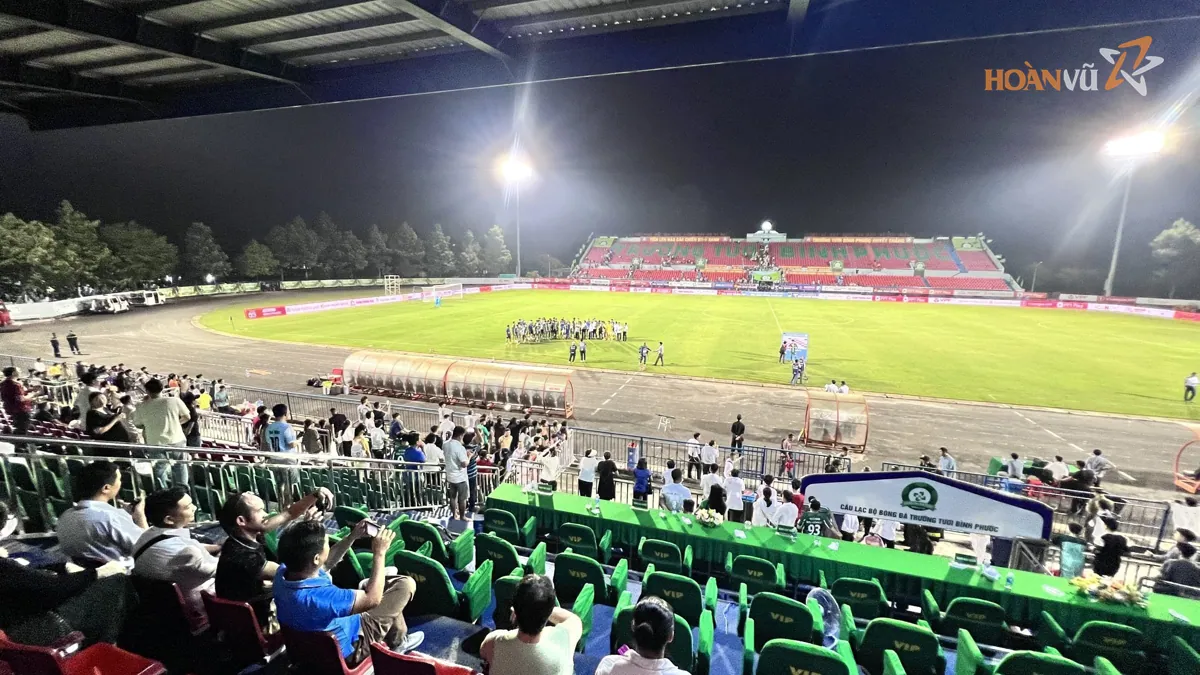
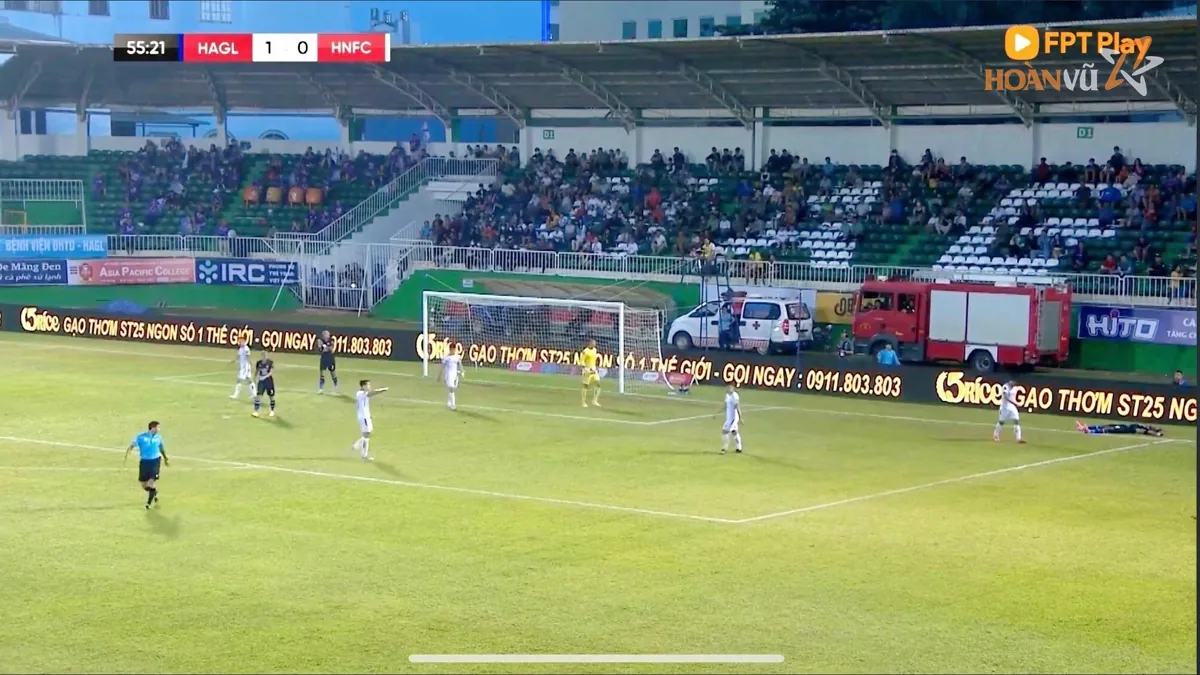
Name every position: perimeter LED, fixed boards, the interview backdrop, the tunnel area, printed material, the club's digital channels. For perimeter LED the numbers needed are seconds per match, number of rotations, and how many home fixtures it covers. "Visible during the match" cannot be measured.
Category exclusivity
This is the most common point of conflict, because a league sponsor and a club sponsor can sit in the same category. Define the category with a concrete product list, state which part is decided by the competition regulations, and write down how overlapping tiers are handled. Competition law prohibits forcing or arranging for another business to engage in competition-restricting conduct, so an exclusivity clause drafted too broadly is a risk for both sides.
Legal conditions attached to the creative
The Law on Advertising places the duty of truthful, accurate information on the advertiser, who also bears joint liability when another party executes the work. The party delivering the campaign must check the documents establishing eligibility to advertise. So the contract should require the brand to submit, in advance, its business registration certificate, conformity documents, and any specific licence needed for special categories such as pharmaceuticals, cosmetics, or infant food. Add a line excluding prohibited categories, which include tobacco, alcohol of 15 degrees or above, prescription drugs, and sporting weapons.
Sign-off, fixture and venue risk
Without a sign-off record there is nothing to reconcile at settlement, so the contract must state what the delivery party sends after each match, within how long, and who signs it. Fixtures move, grounds change, and matches behind closed doors happen every season, so the make-good method belongs in the text.
| Clause | Question to answer with a number | Risk if left blank |
|---|---|---|
| Perimeter LED rights | Seconds per match, rotations, how many fixtures | No basis for end-of-season settlement |
| Category exclusivity | Which product list, which tier decides | Conflict with league-level rights |
| Creative documentation | How many days ahead, which papers | Content stopped mid-season |
| Sign-off | What is sent after a match, within how many days | Dispute at payment |
| Fixture or venue change | Make-good method, within what deadline | Rights lost with no owner |
| Early termination | On what grounds, what is refunded | Drawn out, ends in court |
New content rules from 2026
The law amending and supplementing the Law on Advertising, No. 75/2025/QH15, was passed on 16 June 2025 and takes effect on 1 January 2026. Article 19 on advertising content was tightened: content must be truthful, accurate and clear, must not mislead about features, quality or effects, and mandatory warnings and notes must be complete, easy to access, in text that contrasts with the background and no smaller than the rest of the copy.
For a belt of LED around a pitch, that changes how the file is built. A small note in a corner cannot be read from the stand or through a camera, so it does not meet the requirement. A brand whose product needs a warning should allow room for that text in the first design pass.
Creative preparation and measurement are covered in Football club sponsorship: rights packages and how to measure results.
Post-match sign-off, the part that gives a contract value
Every clause above only matters if there is evidence at the final whistle. Write this part as a procedure, not as a promise.
- Before the match: confirm the content list, play order and rotations.
- During the match: a technical crew on site, logging any incident.
- After the match: a sign-off record with photos and video, sent within the agreed deadline.
- End of the round: a summary table to reconcile against the commitment.
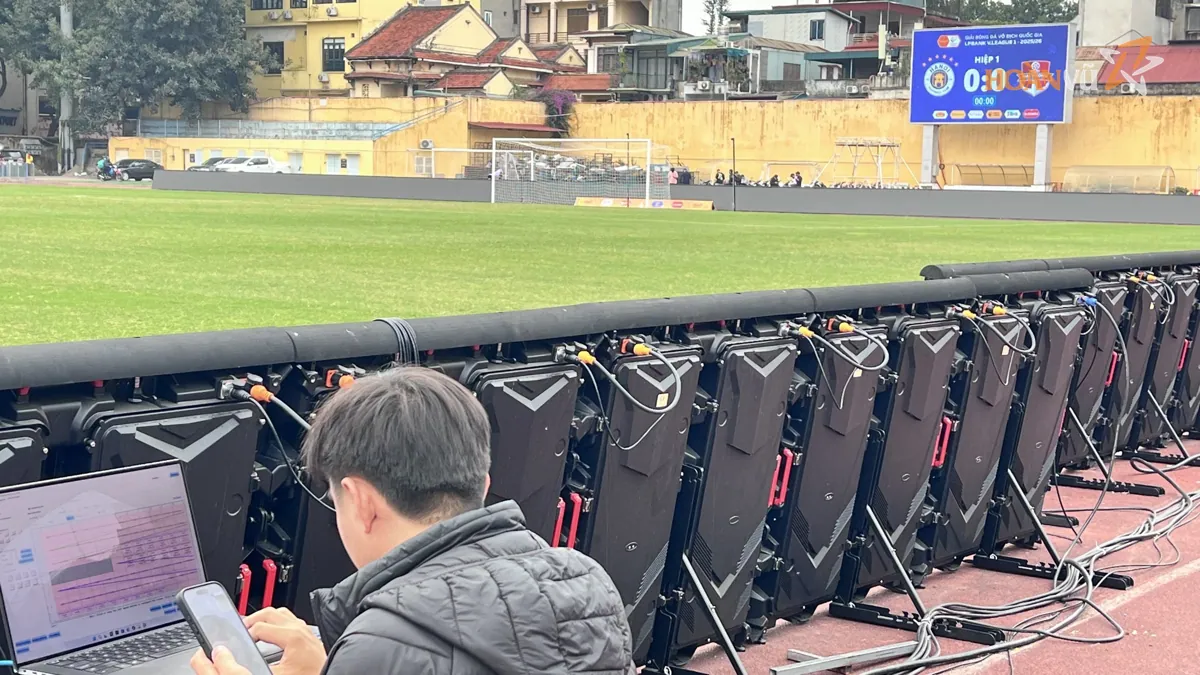
Hoan Vu has worked in advertising since 2001 and became a joint stock company in 2010. The company operates perimeter LED at four grounds, Hang Day, Lach Tray, Binh Phuoc and Pleiku, alongside six clubs across roughly 84 matches a season, with a technical crew on site for each match and a post-match sign-off record including photos and video. Beyond football it builds indoor and outdoor LED screens, billboards and signage, and produces events, live shows and livestreams. The stadium side is described in stadium LED solutions.
Frequently asked questions
Does a brand sign with the club or with the league operator?
It depends on the rights being bought. Rights tied to one club's home matches are usually signed with the club, while league-wide rights belong to the competition owner. The contract should state which party is transferring which right.
Is a sponsorship agreement an advertising contract?
The visibility portion is advertising in nature, so the Law on Advertising requires the cooperation to go through an advertising service contract. Many parties split this into two documents that sit together.
Who is responsible if a regulator questions the creative?
The Law on Advertising places the duty of truthful, accurate information on the advertiser, with joint liability when another party executes the work. The delivery party must check the eligibility documents before anything goes on screen.
Conclusion
A good sponsorship contract is not longer, only more specific: rights expressed as numbers, creative documents filed in advance, sign-off with a deadline, and a make-good method when the calendar moves. If you need a partner for match-day delivery and post-match evidence, leave your details or call the hotline 0964 73 74 73.
Hoan Vu connects brands with clubs, builds packages and reports match by match.