Hanoi's Department of Culture, Sports and Tourism has released preliminary figures around BIGBANG's two nights at My Dinh National Stadium. The shows on 24 and 25 October 2026 drew about 90,000 domestic and international attendees. Over the two days of 23 and 24 October alone, the city received about 220,000 tourist arrivals, up 15.6% from the previous week, including about 67,900 international visitors. Total tourism revenue over the period is estimated at about VND 750 billion.
The second figure worth noting is hotel occupancy. According to the same statistics, some three to five star hotels in Hanoi ran at 75 to 100% during these days. For people who build events for a living, the two sets of numbers say one thing: a stadium scale concert is no longer the organiser's business alone, it pulls along an entire chain of accommodation, transport and services across a city.
Key information
| Item | Published information |
|---|---|
| Programme | BIGBANG concert in Hanoi |
| Dates | Two nights, 24 and 25 October 2026 |
| Venue | My Dinh National Stadium, Hanoi |
| Attendance | About 90,000 across both nights |
| Tourist arrivals | About 220,000 over 23 and 24 October, up 15.6% week on week |
| International visitors | About 67,900 |
| Tourism revenue | Estimated at about VND 750 billion |
| Accommodation | Some three to five star hotels at 75 to 100% occupancy |
| Source of figures | Hanoi Department of Culture, Sports and Tourism, preliminary statistics |
One detail about how the authority counted: attendance covers the two show nights of 24 and 25 October, while tourist arrivals are counted for 23 and 24 October. We keep the time frames exactly as published rather than merging them into a single number.
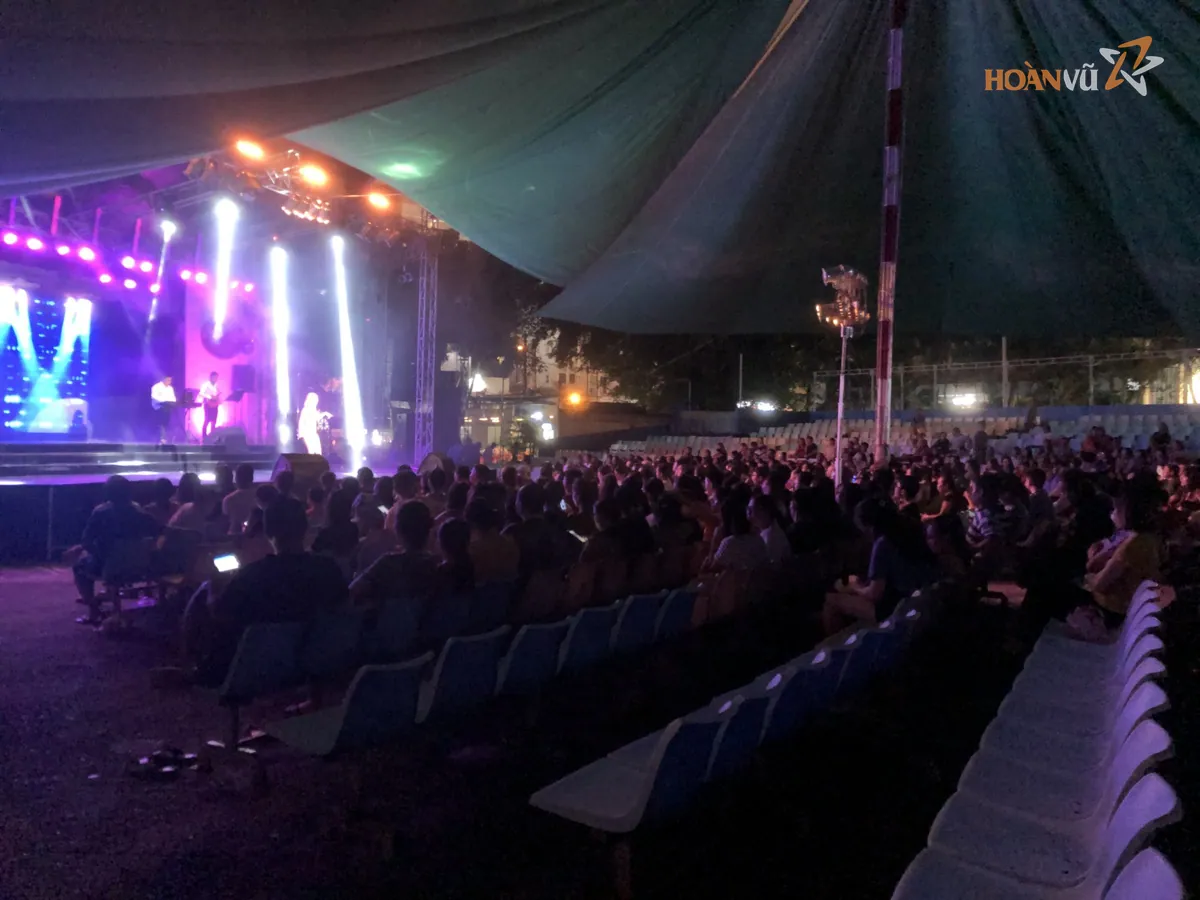
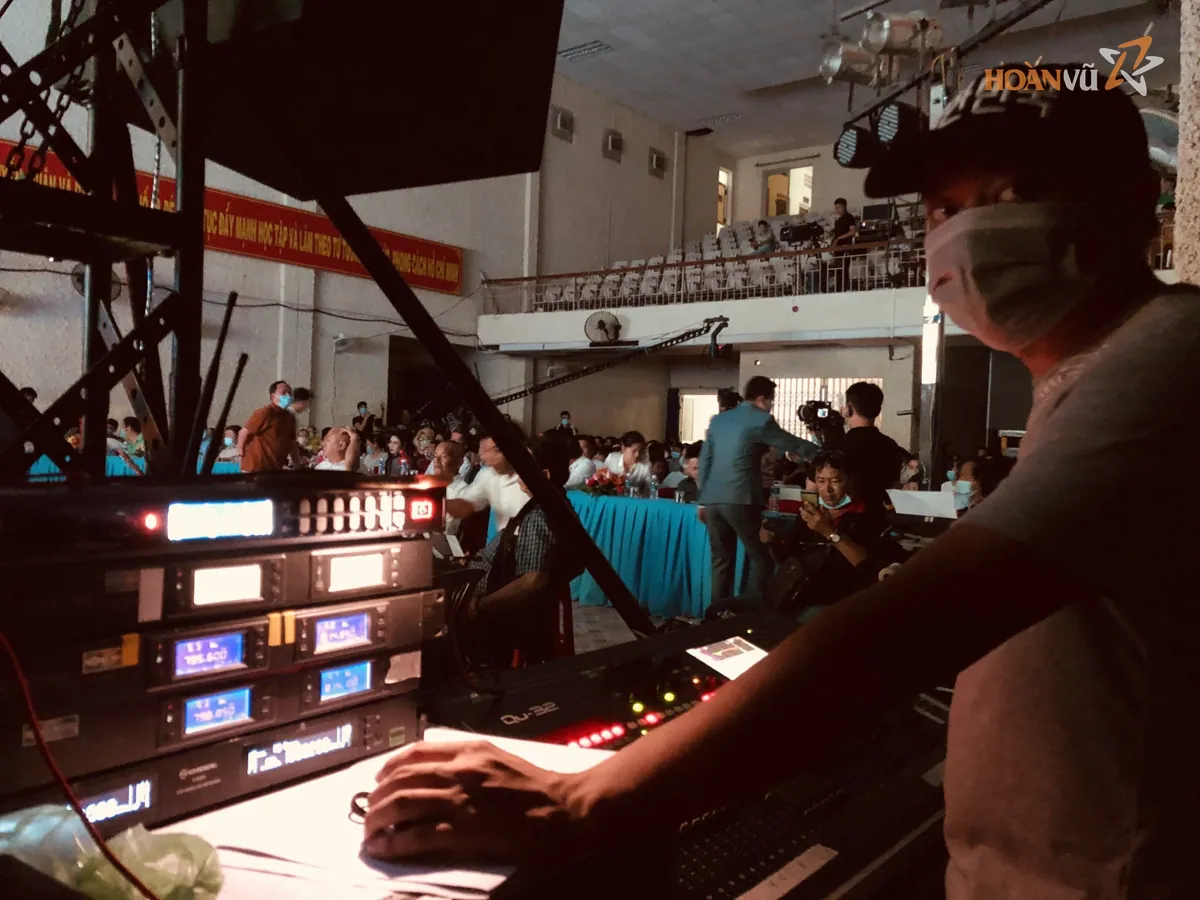
A stage, audio, lighting, LED screen and crowd operations view
Those numbers rest on a body of technical work that rarely reaches the news pages. Speaking generally about stadium scale shows, there are a few things the trade always has to settle in advance.
Decking and structure. A stadium pitch cannot take concentrated loads. Stage decks, truss feet and forklift routes all have to run on load spreading systems, usually purpose made trackway. This step decides whether the pitch recovers in time for the fixtures that follow, so the load documentation is normally signed off before anything is craned in.
LED screens. A stadium show's main screen typically uses a coarser pixel pitch than a ballroom screen, because viewing distances are far longer. In exchange, brightness and water resistance have to be higher. The side screens carry IMAG, the live camera feed, so that spectators in the upper tiers can still read the stage. With seating wrapped around the pitch, the backdrop and any flown screens have to account for sightlines from behind as well, not only from the front.
Audio. A stadium is an acoustically awkward room. The main line array usually needs delay towers for distant stands, and every cluster has to be time aligned so sound reaches the ear in step with the picture. Noise limits for the neighbourhoods around the venue are a design parameter too, not an afterthought.
Lighting and power. Moving head rigs, follow spots and effects draw heavy loads, so shows at this scale almost always run redundant generators in a dual configuration, with separate feeds for audio, video and lighting. Thirty seconds of power trouble is enough to interrupt a whole programme.
Crowd operations. The hardest part is usually not the show but the egress. Ninety thousand people leaving within roughly an hour need an exit gate plan, directional barriers, marshalling staff and a rehearsed public address procedure. The technical crew and the security crew have to work from the same set of drawings, otherwise the fire lane that exists on paper ends up blocked by a power distribution rack in reality.
Notes for audiences
The 75 to 100% occupancy the Department reported shows that hotel rooms near a large show tend to fill before the show date. For the year end concert run, booking accommodation and transport early is the way to avoid trouble. Gate opening times, seating maps and parking instructions are published separately by each organiser, so that is the only source worth trusting for those details.
Frequently asked questions
When and where was the BIGBANG concert in Hanoi held?
According to the announcement, the programme ran across two nights, 24 and 25 October 2026, at My Dinh National Stadium in Hanoi.
How much did Hanoi earn over the period?
Hanoi's Department of Culture, Sports and Tourism estimates tourism revenue at about VND 750 billion, tied to roughly 220,000 arrivals over 23 and 24 October.
How many people attended the two nights?
The preliminary statistics cite about 90,000 domestic and international attendees across both nights.
Conclusion
A concert that holds up in a stadium does so because of the work behind it: decking, truss, LED screens, audio, lighting and the flow of people. Hoan Vu builds stages, LED screens, audio and lighting systems and livestream setups for programmes at this scale, with details under event production.
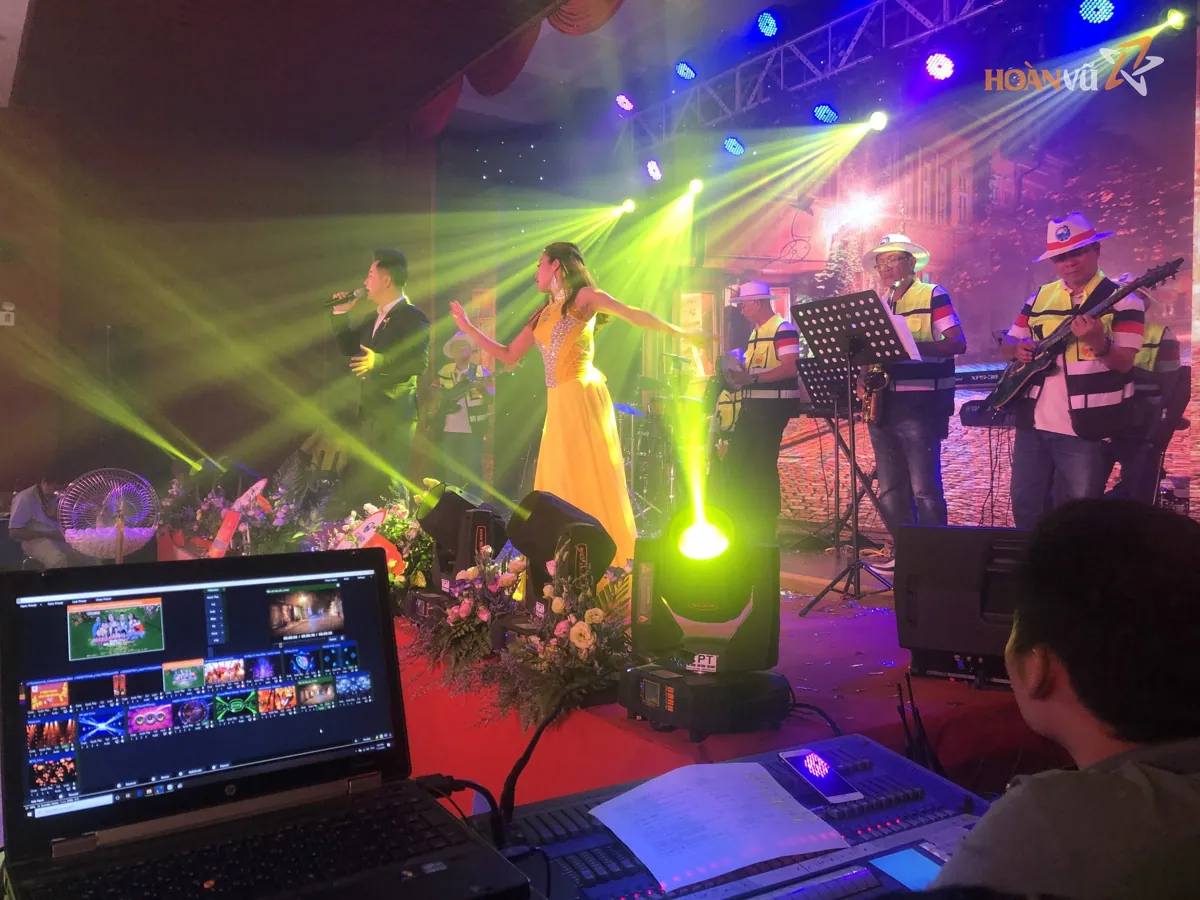
Hoan Vu handles stage, screens, filming, streaming and ticketing end to end.